
Sensory Product Categories

FEATURED SENSORY PRODUCTS
Why Buy Sensory Products?
Sensory integration is the brain’s ability to process and respond to information received through the senses—touch, movement, sight, sound, taste, and smell. For most people, this process happens automatically and effortlessly. But for individuals with sensory processing challenges, such as many on the autism spectrum, the brain can struggle to organize these sensory signals appropriately. This can result in sensory sensitivities, overstimulation, or the need for enhanced sensory input to feel regulated and focused.
Why Sensory Integration Matters
When sensory integration is functioning well, individuals can participate in daily life with comfort and confidence. They can tolerate typical sounds, textures, and movements without distress and respond to the environment in a calm and organized way. However, those with sensory integration difficulties may experience discomfort in noisy settings, be overwhelmed by bright lights, or seek intense sensory input to stay regulated. Supporting sensory integration through the right tools and environments can make a significant difference in their ability to learn, socialize, and thrive.
Tools That Support Sensory Integration
There are many products designed to help individuals manage sensory input more effectively. These tools can calm, stimulate, or provide just the right level of sensory input to support daily function.
Ear Muffs
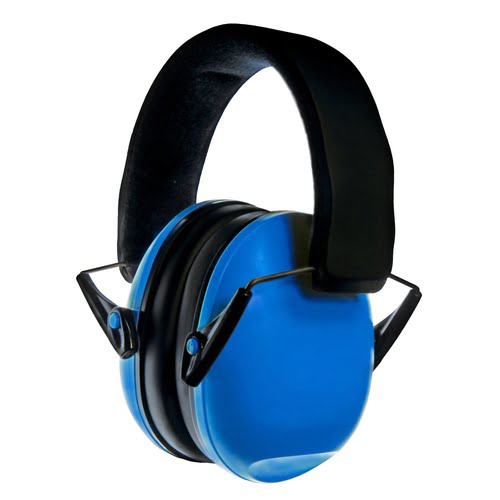
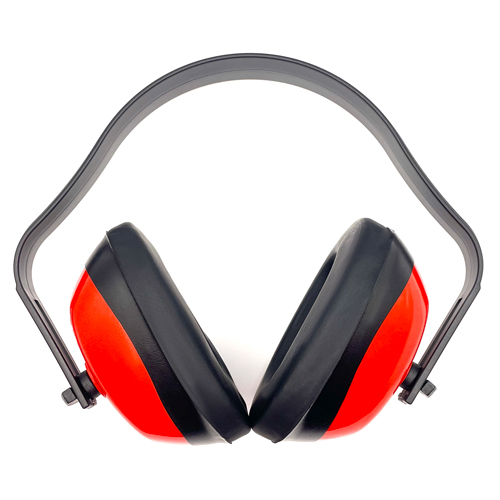
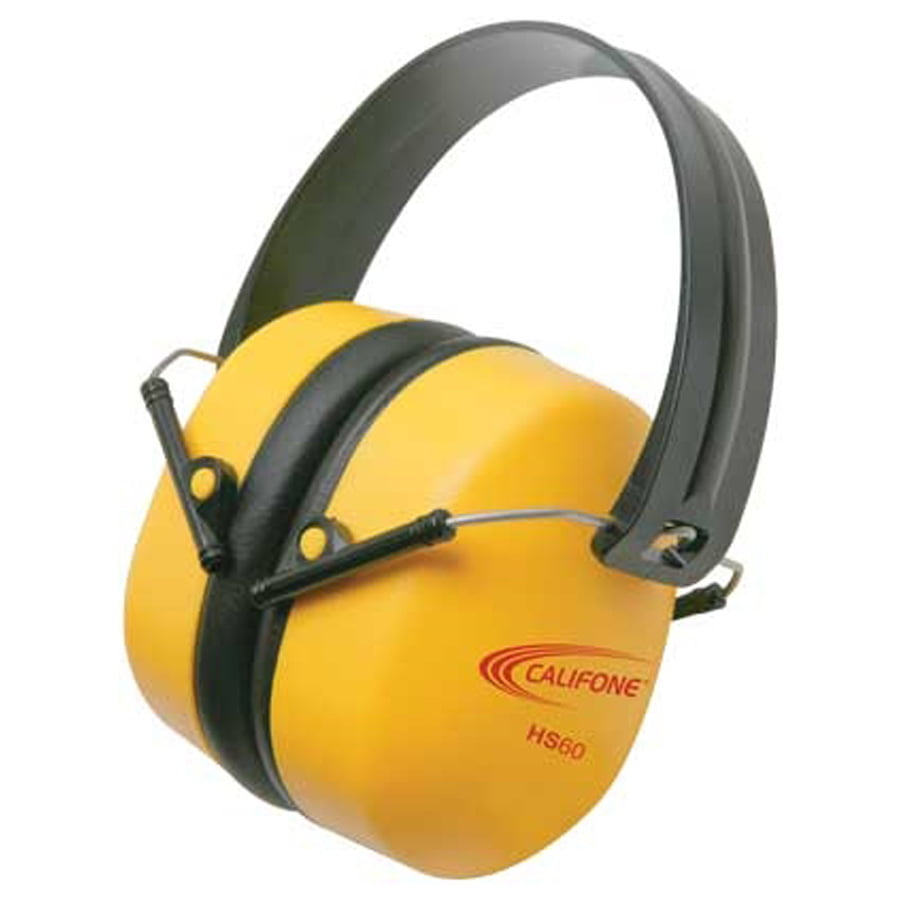
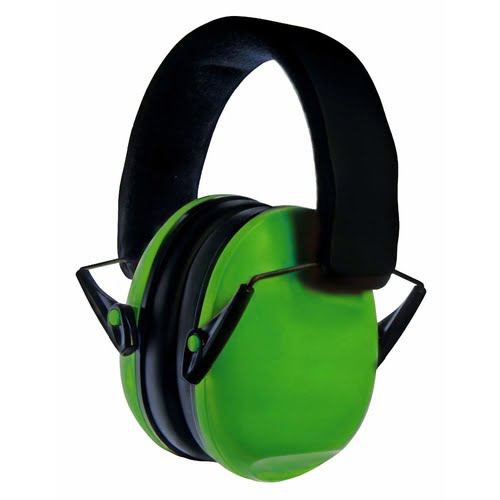
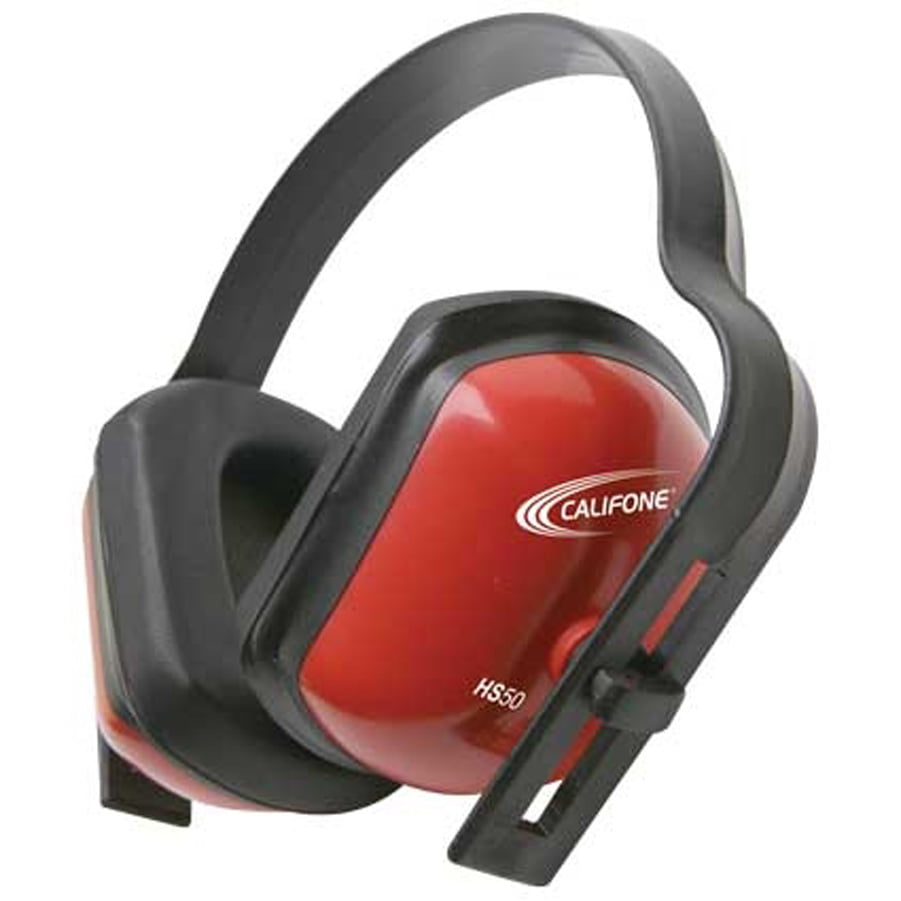
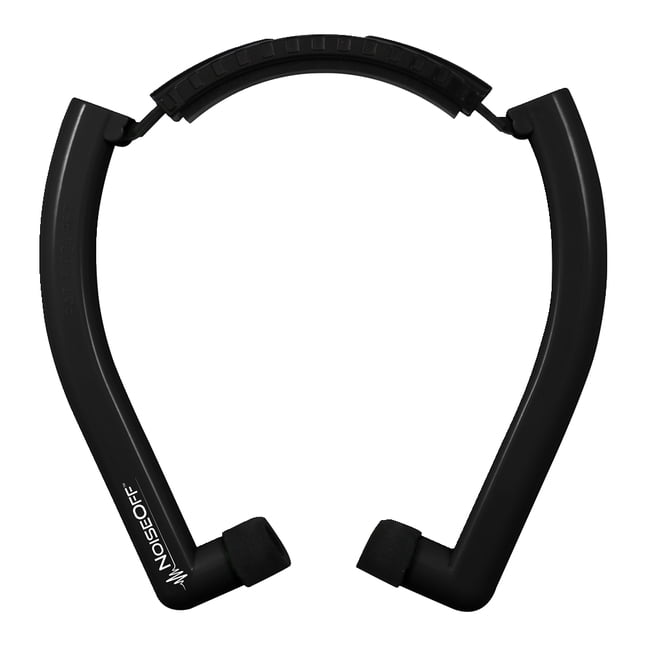
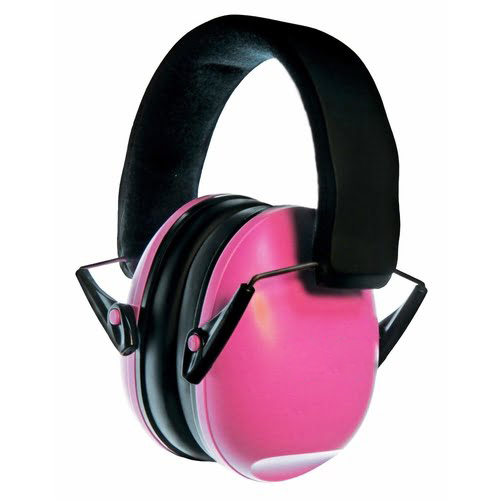
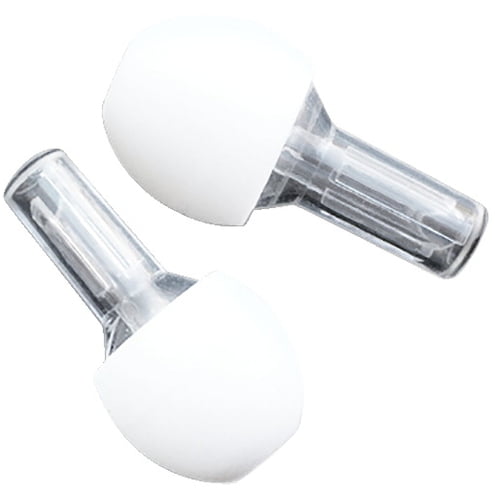
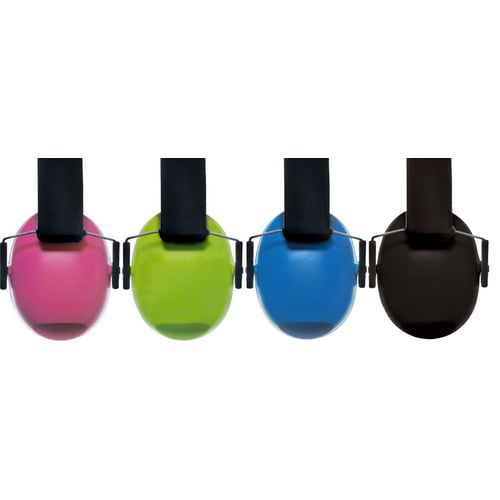
For those sensitive to sound, ear muffs offer a simple yet effective solution. Noise-reducing ear muffs help filter out background noise, allowing individuals to stay calm and focused in overwhelming environments like classrooms, public spaces, or family gatherings.
Weighted Products (Blankets, Vests, Lap Pads)
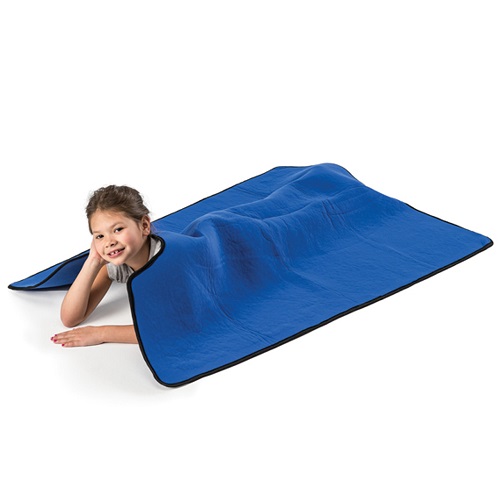
Deep pressure input is known to have a calming effect on the nervous system. Weighted blankets, vests, and lap pads provide gentle, even pressure that can soothe anxiety, improve focus, and aid in sleep. These tools are especially useful during transitions, bedtime routines, or times of heightened stress.
Sensory Swings
Movement is a powerful form of sensory input. Sensory swings, such as cuddle swings or platform swings, provide vestibular input (related to balance and motion), which helps develop spatial awareness and self-regulation. They’re not only fun but also therapeutic, supporting motor skills and calming overstimulated systems.
Sensory Room Equipment
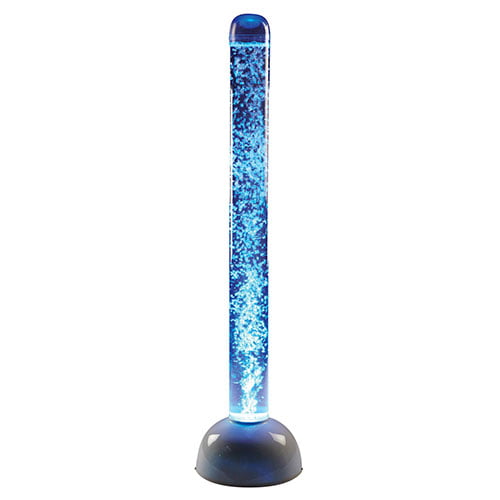
A sensory room is a specially designed space that incorporates various stimuli to help individuals relax, focus, or become more alert. Equipment might include bubble tubes, fiber optic lights, crash pads, and calming wall projections. These rooms offer a controlled environment where users can engage with sensory experiences in a safe and purposeful way.
Stimulation Tools (Tactile, Visual, Auditory)
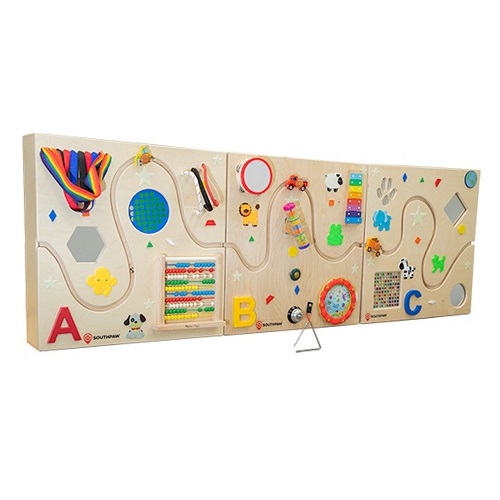
Tactile tools such as textured balls, fidget toys, and sensory bins engage the sense of touch. Visual tools like liquid timers, light panels, and spinning wheels captivate the eyes and encourage visual tracking. Auditory tools, including sound puzzles and calming music, stimulate hearing in a soothing or engaging manner. These tools support exploration and learning through multisensory engagement.
Oral Motor Tools (Chewies, Oral Massagers)
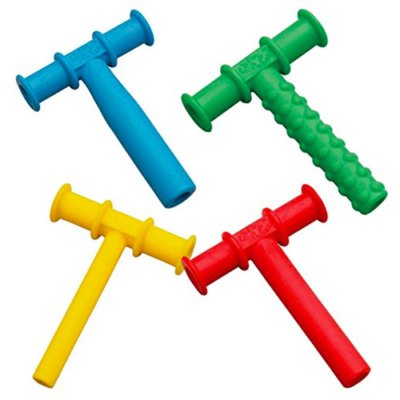
Oral motor stimulation can help improve focus and self-regulation, especially for those who chew for comfort or sensory input. Chewable jewelry and oral massagers provide safe, satisfying ways to engage the oral sensory system, supporting both sensory needs and speech development.
Sensory integration plays a crucial role in how individuals engage with the world. By incorporating thoughtfully designed sensory tools—like ear muffs, weighted products, swings, and oral motor aids—we can create supportive environments that empower individuals with sensory processing challenges to thrive in everyday life.