
Learning & Education
Learning should be accessible and engaging. Our Learning & Education section includes Educational Tools like games, flashcards, and posters designed for various developmental levels. Create inclusive environments with Sensory-Friendly Classroom Tools and empower skill-building through Fine Motor Learning Kits. Don’t miss our curated collection of Books for parents, educators, and children.
-
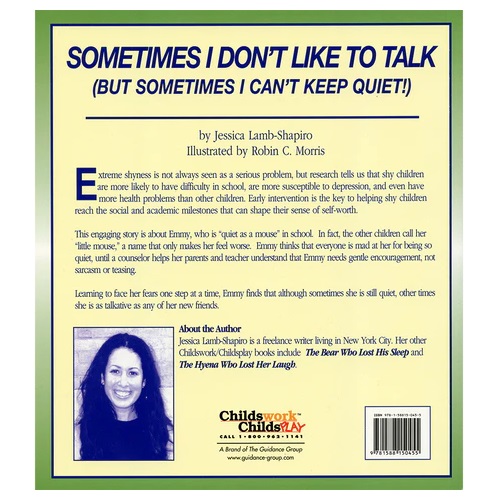
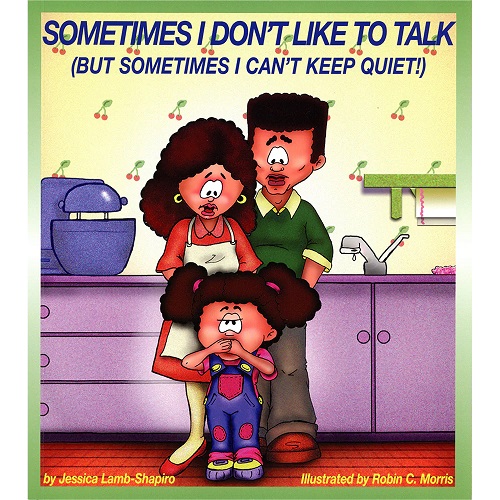 Extreme shyness is not always seen as a serious problem, but research tells us that shy children are more likely to have difficulty in school, are more susceptible to depression, and even have more health problems than other children. Early intervention is the key to helping shy children reach the social and academic milestones that can shape their sense of self-worth.
 -
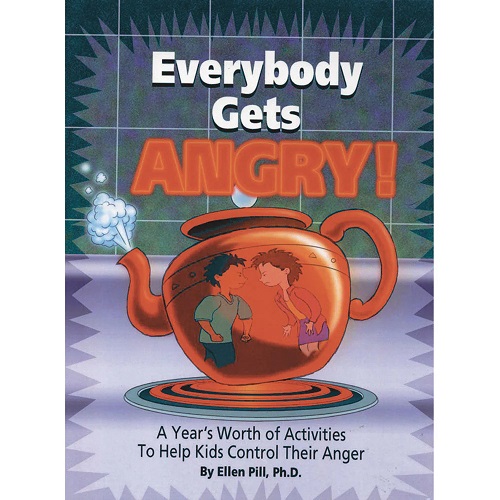 This fun-filled book is packed with 52 reproducible activities to help youngsters learn to identify, understand, express, and cope with their angry feelings. The hands-on activities use art, music, drama, and movement and are designed to get kids thinking about their own anger cues and the way in which they express their anger. You won't run out of activities to help youngsters focus on gaining control of their anger before it takes control of them.
 -
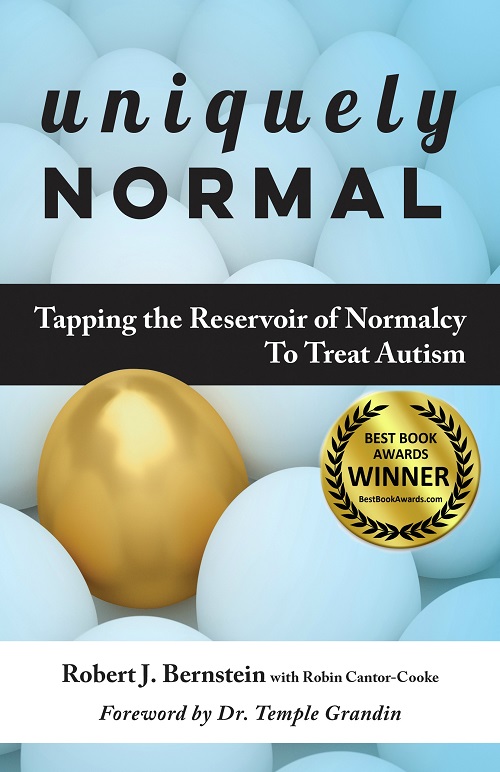 Author Robert J. Bernstein has found a different approach based on cognition thinking in helping people of all ages with ASD. Rob’s goal is for people with ASD to be able to live in the world and connect with the people in it as themselves, to express their unique humanity and engage more fully in the human interactions that give life meaning and make it worth the effort of getting out of bed every day. He believes that whatever he does therapeutically must be on the ASD individual’s terms; he or she must lead.
 -
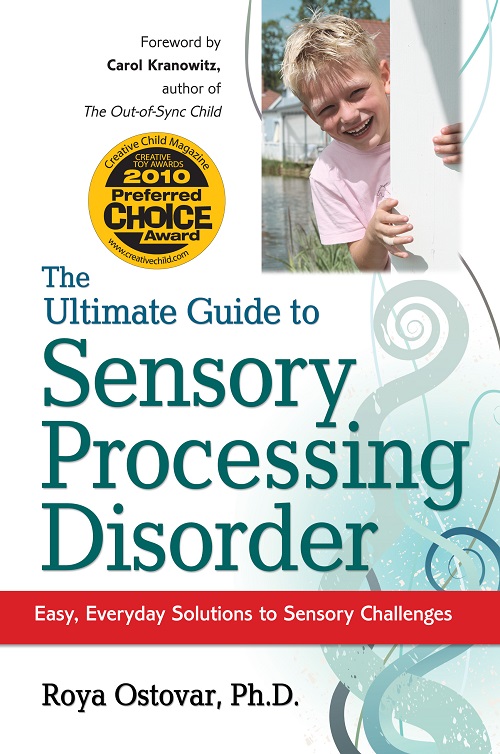 When sensory processing is impaired, lights can be too bright, sounds too loud, and clothes can actually be painful on the skin. It can be practically impossible for children to tolerate their day, let alone learn in a classroom. In this book, with a foreword by best-selling special-needs author Carol Kranowitz, neuropsychologist Dr. Roya Ostovar helps parents to help their children.
 -
 Voted “Teacher of the Year” by ASA, Toni Flowers invites readers to learn from, tweak, and refine the strategies she’s used during her quartercentury of teaching children with autism. Chockfull of great ideas, this book tackles some of the thorniest problems (runners, homework, screamers, setting limits, aggression, etc.) facing teachers and parents. It will quickly become a goto book in your library!
 -
 When given the chance, young people with Asperger’s can be the most charismatic actors that have ever hit the stage. In this guidebook, author Amelia Davies provides the theories and activities you’ll need to set up acting classes that double as social skills groups for individuals with Asperger’s or high-functioning autism. Included are acting exercises and plays that teach actors how to control and use body language, nonverbal communication, tone of voice, facial expressions, and movement, which are all important social skills.
 -
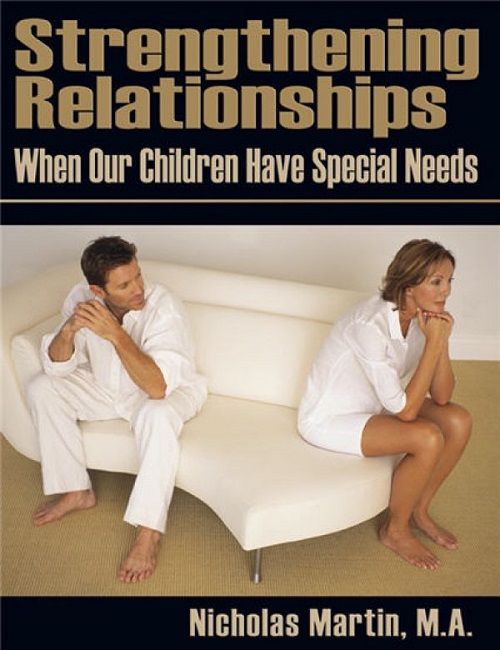 When there is a child with special needs in your family, it can be easy to overlook your own needs, desires, and dreams, or those of the ones you love. Long-awaited and much-needed, this book addresses the real-life impact a special needs child has on family relationships.
 -
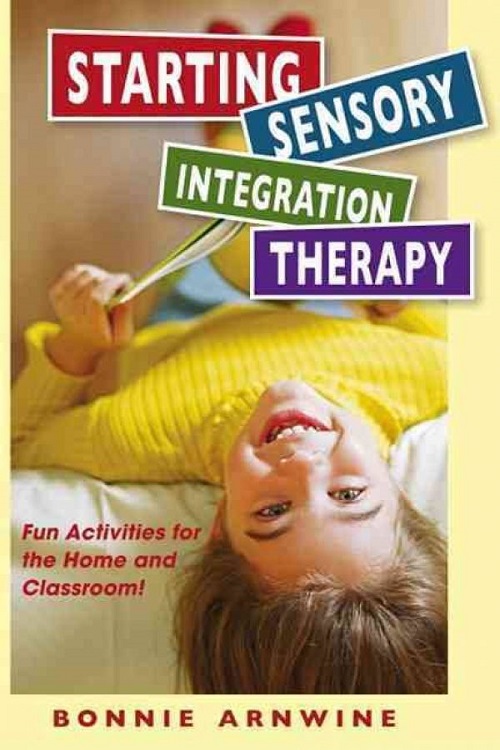 Starting Sensory Therapy offers 100+ activities and games for children with Sensory Processing Disorder (SPD). Parent of a son with SPD, author Bonnie Arnwine chose activities that require minimal time, money, and clean-up. Most “ingredients” are already on hand: empty yogurt cups, string, soap, flour, paper plates, etc.
 -
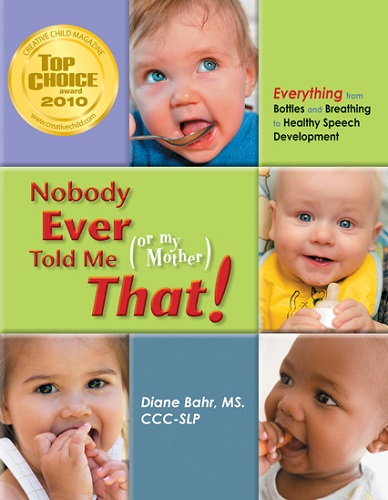 This fascinating new book fills a missing void in the child-rearing world. It explains everything from the basics of nursing to SIDS, to facial massage, and finishes with the secrets to good speech development and keys to enhancing your child’s best natural appearance.
 -
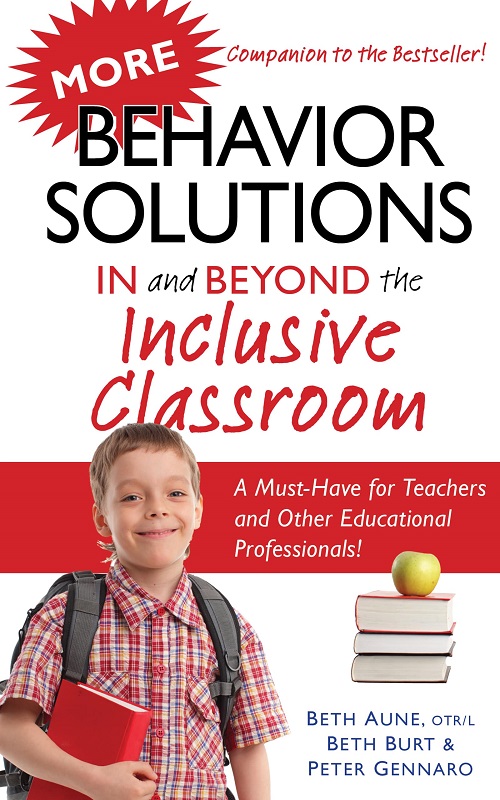 Now more than ever, states are mandating that children with special needs be included in the general education classroom. As a result, all educational professionals, from teachers to administrators, need specific training on how to handle unusual behaviors.
 -
 Anne Addison was overwhelmed when she brought Jack home from the hospital. In those first few days, Anne had a vague intuition that something was not right. Two years later, Jack was diagnosed with Attention Deficit Hyperactivity Disorder, speech and language delays, sensory integration problems, and subsequently, was found to have Asperger’s Syndrome.
 -
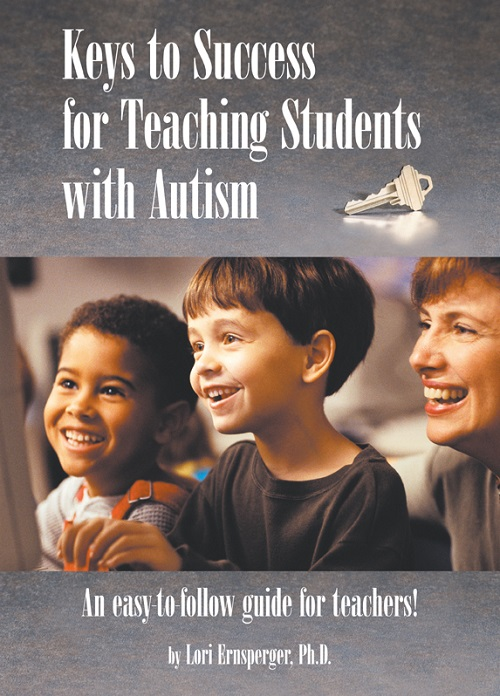 After more than 17 years of experience working with teachers struggling to implement an effective learning program for special needs kids, Dr. Lori Ernsperger decided it was about time someone created a comprehensive resource for practical use in the classroom. She wrote this book as a practical, step-by-step guide to educating students with autism.
 -
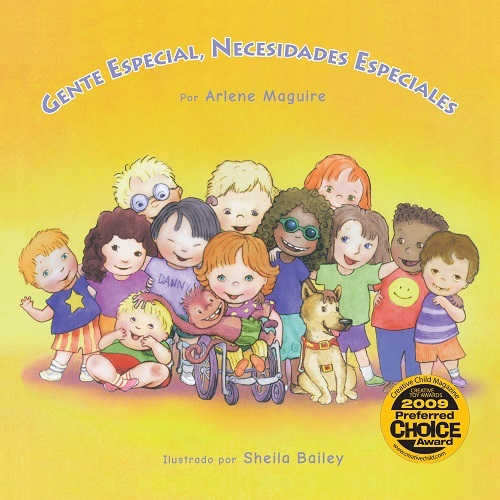 La encantadora rima de Arlene Maguire se combina con las vivas ilustraciones en acuarela de Sheila Bailey para llevar al lector en un viaje al descubrimiento. Más allá de nuestras limitaciones físicas existe un mundo de dones únicos para que cada uno de nosotros compartamos. Aunque nos veamos diferentes, somos iguales por dentro.
 -
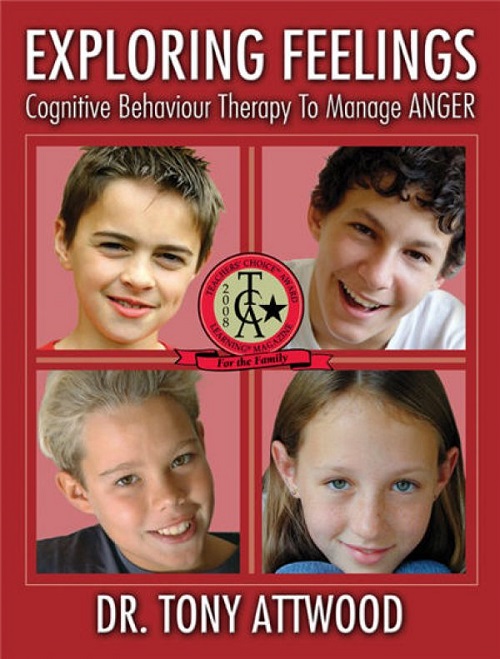 Many children, especially those with developmental delays, have trouble understanding or expressing their feelings. This can result in difficulty with anger management. Listing possible responses to situations—and the likely outcome of each one—allows the child to make informed decisions about which responses to choose (e.g., walking away vs. hitting).
 -
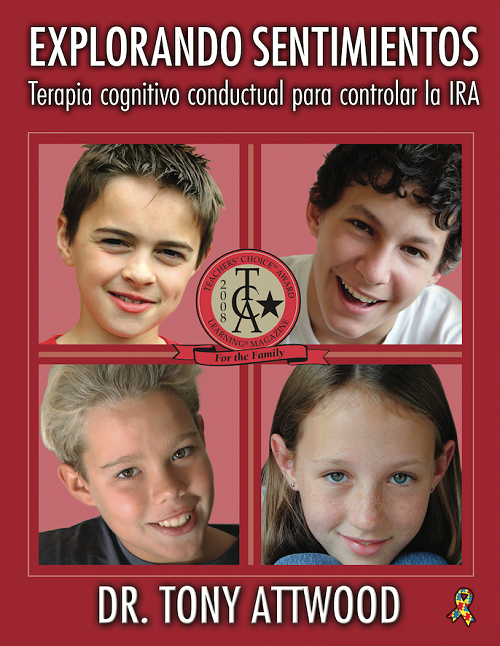 ¡Ganador de un premio 2008 Teachers’ Choice Award! Muchos niños, especialmente aquellos con retrasos en el desarrollo, tienen problemas para comprender o expresar sus sentimientos. Esto puede resultar en dificultades con el manejo de la ira. Listar las posibles respuestas a las situaciones, y el resultado probable de cada una, le permite al niño tomar decisiones informadas sobre qué respuestas elegir (por ejemplo, alejarse frente a golpear).
 -
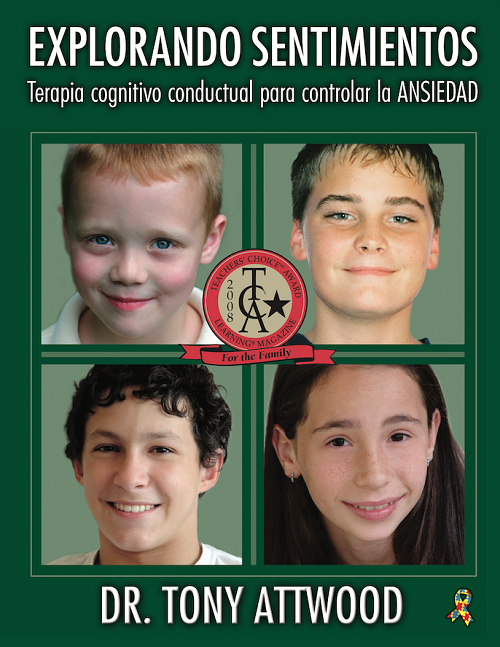 ¡Ganador de un premio 2008 Teachers’ Choice Award! La ansiedad puede ser debilitante para cualquiera, pero puede ser especialmente confusa para un niño. Aprender sobre las emociones ayuda a los niños a reconocer las conexiones entre pensar y sentir, y los efectos fisiológicos de la ansiedad en el cuerpo (sudoración, aumento del ritmo cardíaco, llanto, etc.).
 -
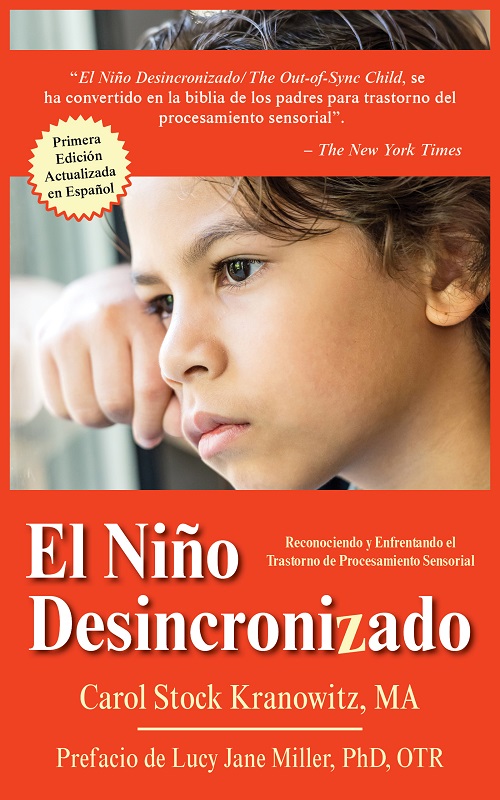 La edición revisada del innovador libro de 1998 que introdujo el Trastorno del procesamiento sensorial (SPD) a padres, maestros y otros no especialistas. SPD es un problema común y frecuentemente diagnosticado erróneamente en el cual el sistema nervioso central malinterpreta los mensajes de los sentidos. Esta nueva edición presenta información adicional sobre déficits visuales y auditivos, dificultades de habilidades motoras, TDAH, autismo, síndrome de Asperger y otros trastornos relacionados.
 -
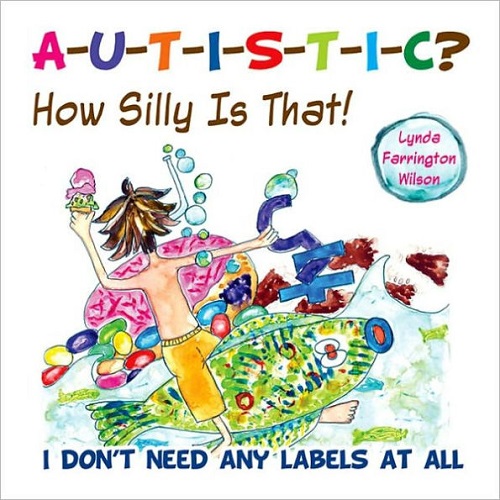 The first book of its kind that tells children with autism they are KIDS with autism, as it gently pokes fun of the label “autistic”. Young readers feel better about themselves after meeting their new friend, the narrator, who HAS autism, as well as many other more important characteristics. Having autism is just one small part of his overall character and we would never again label him as simply “autistic”.
 -
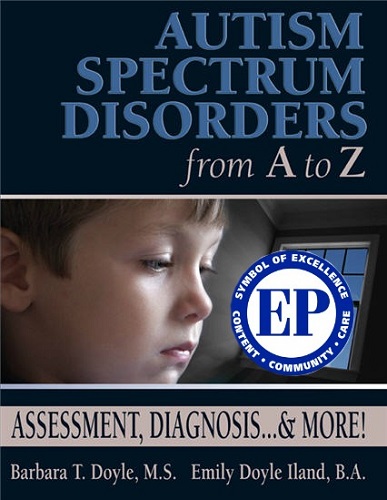 This extremely comprehensive book goes step-by-step through the symptoms, definitions, assessments, and diagnoses of Autism Spectrum Disorders (ASD). The authors describe ASD in terms of the parents, teachers, the school system, medical professionals, adult service providers, and private agencies involved.
 -
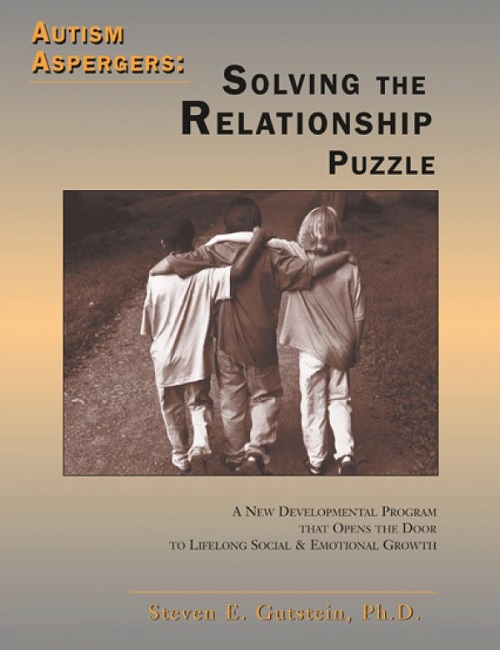 Steve Gutstein, a psychologist and autism specialist, has dedicated his life to bridging the social gap between children with autism and the rest of us. The result of his efforts is an innovative program—Relational Development Intervention—that takes social skills teaching to the next level.
 -

 A Thorn in My Pocket is Eustacia Cutler’s story of raising her daughter, Temple Grandin, in the conservative “Leave-it-to-Beaver” world of the fifties: a time when children with autism were routinely diagnosed as infant schizophrenics and banished to institutions.
 -
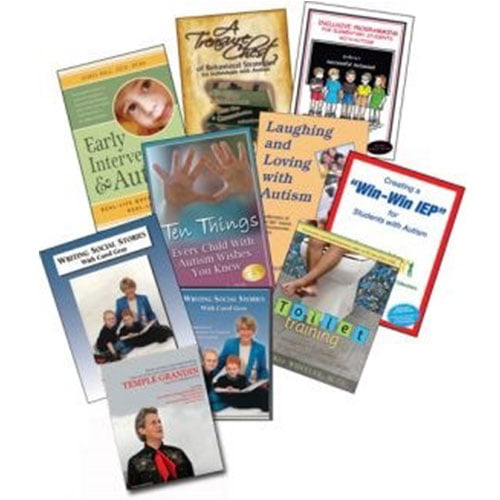 Newly diagnosed Autism aids
 -
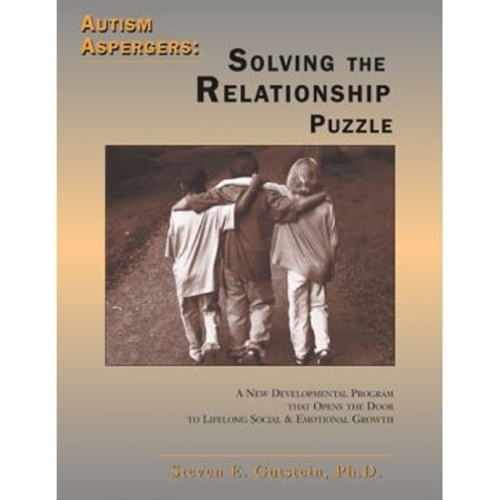 Describes practical ways to steer children with autism to relationships.
 -
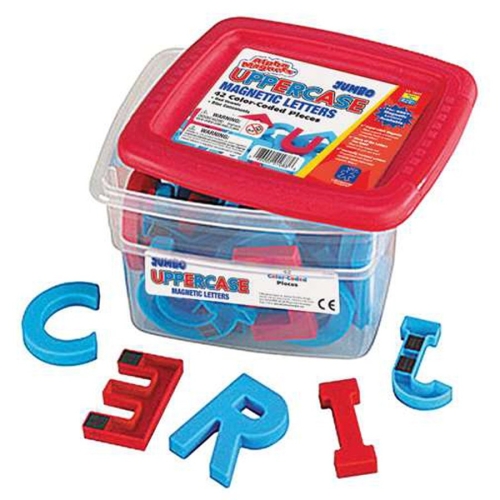 MAGNETS JUMBO UPPERCASE 2 COLOR SET OF 42