
Behavior & Social Skills
Helping children understand emotions, routines, and interactions is essential. Our Behavior & Social Skills collection includes Visual Timers and Reward Systems to manage transitions and reinforce positive behavior. Soothe and regulate with Calming Products like weighted stuffed animals and relaxation tools. Encourage communication and connection through Social Skills Development tools including role-playing games and social story cards.
-
-
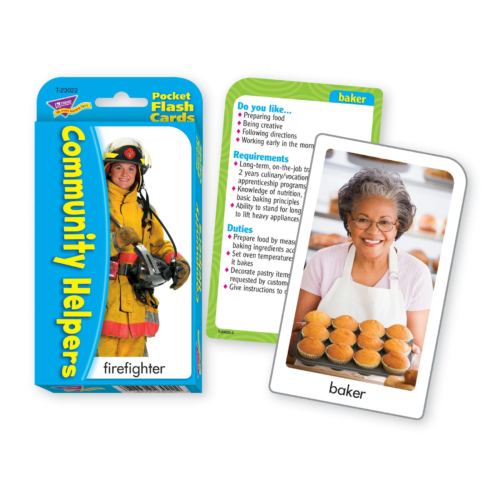
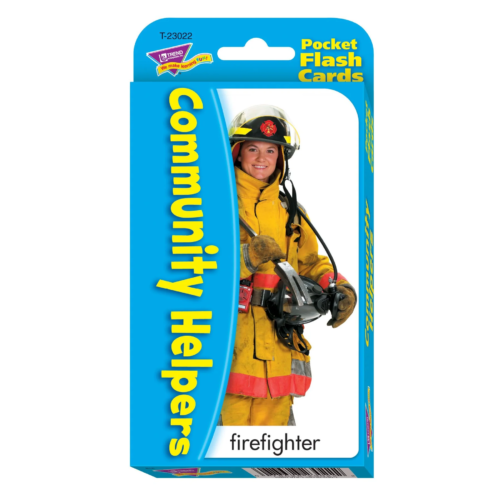
54 vivid cards featuring real-world community jobs
-
Builds vocabulary, recognition, and social context
-
Great for therapy, classroom, or home use
-
-
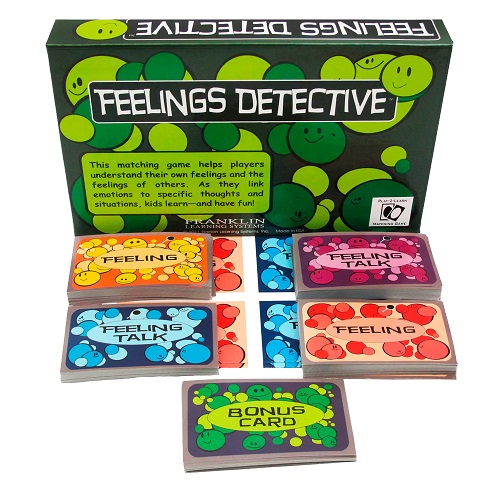 Feelings Detective helps all children understand their own feelings as well as the feelings of others. It is especially helpful for children who tend to misread social cues, including those who have been diagnosed with Asperger's Syndrome or are at any other position on the Autism Spectrum. Specific examples help players to link specific situations and thoughts with specific feelings. Feelings are the most basic building blocks of social skills. Without the ability to recognize feelings in themselves and others, children are not able to master social interactions.
 -
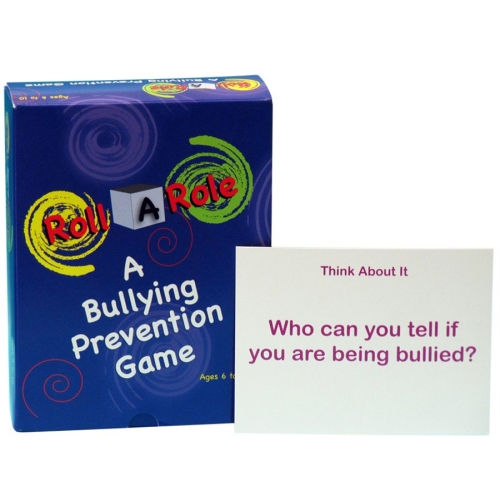 Fun way to learn social skills.
 -
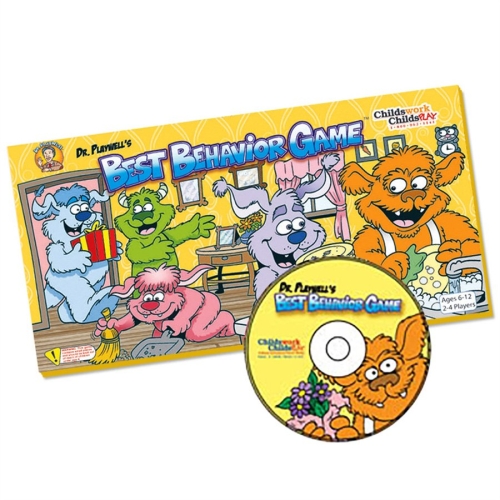 Teaches skills to handle behavioral problems.
 -
-
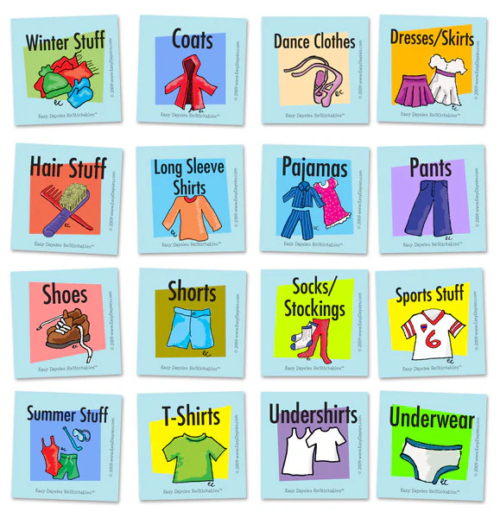
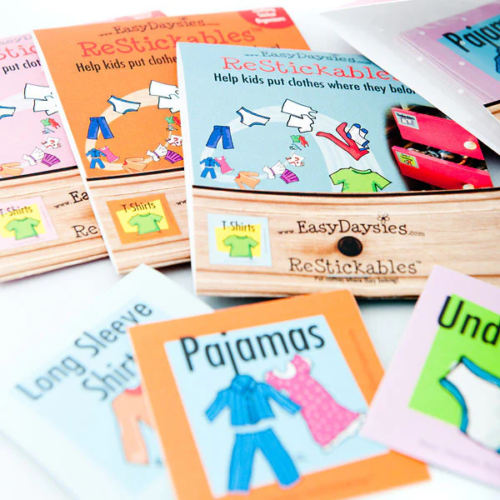
16 tear-proof, reusable clothing labels with images & text
-
Stick easily to drawers, bins, or shelves—no residue
-
Available in 3 fun colors for multiple kids or categories
-
-
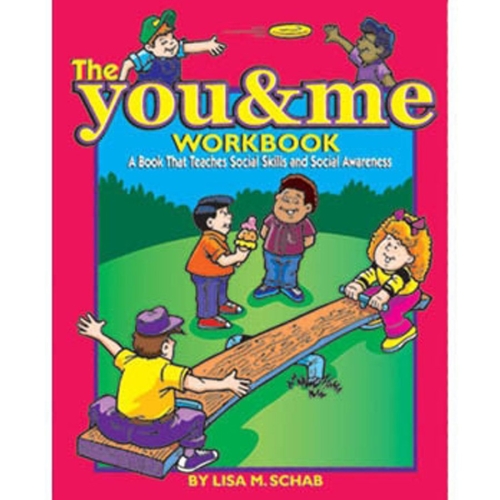 Teaches day-to-day social skills and awareness.
 -
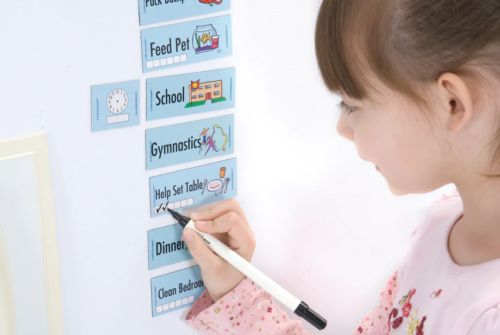
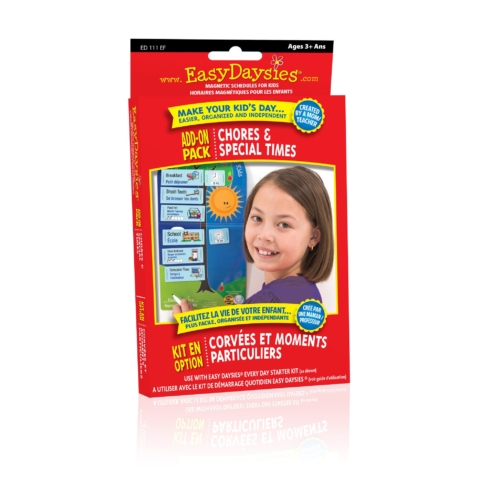
-
Includes 21 durable, kid-friendly magnets for chores and special events
-
Encourages independence, time management, and positive routines
-
Ideal for ages 3+, homeschooling, and children with special needs
-
-
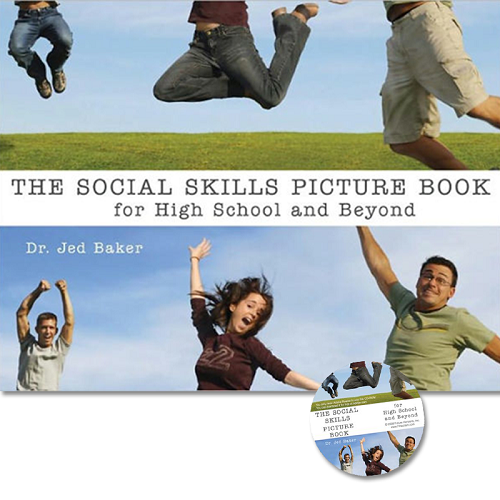 Winner of an iParenting Media Award, this picture book appeals to the visual strengths of students on the autism spectrum, with color photos of students demonstrating various social skills in the correct (and sometimes incorrect) way. The skills depicted are meant to be read, role-played, corrected when necessary, role-played some more and, finally, to be practiced by the student in real-life social situations. “Thought bubbles” show what people are thinking during these interactions (not always what you hoped!).
 -
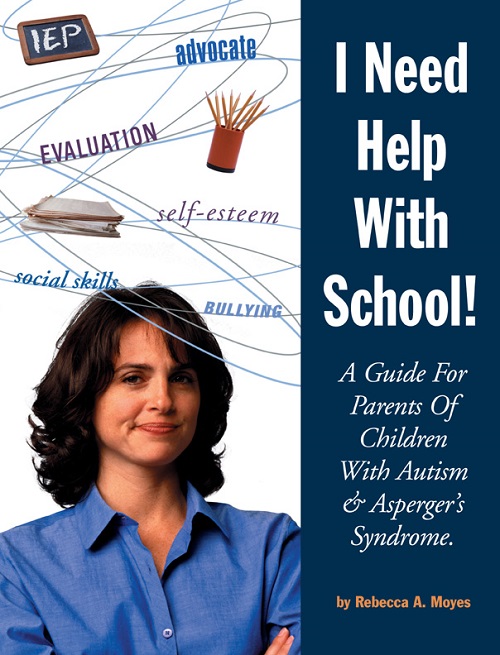 Specifically written for parents of children with autism or Asperger’s Syndrome, this guide demystifies special education laws to help them understand their legal rights and the rights of their child. Moyes also addresses such issues as developing a child’s social skills, encouraging self-esteem, and dealing with teasing and bullying.
 -
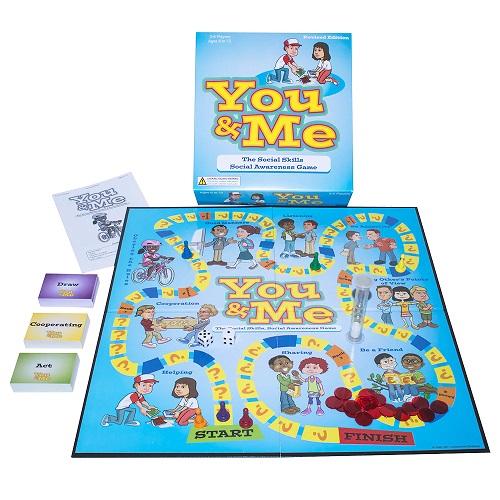 A cooperative board game that teaches day-to-day social skills and social awareness. Designed to help children become socially aware of the world they live in, as they build the social skills they need in everyday life: helping, sharing, being polite, cooperating, understanding different points of views, listening, following rules, acting assertively, and being a friend. Players work as a team, there are no individual winners.
 -
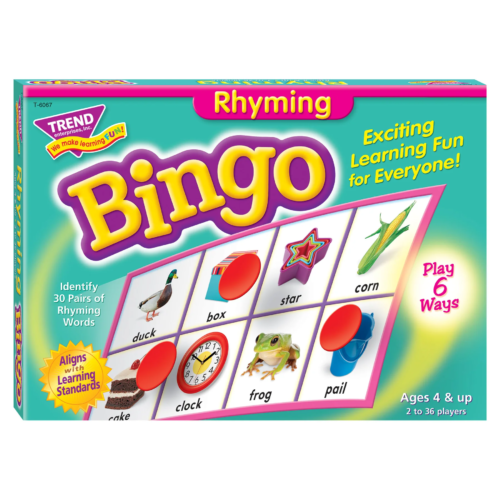
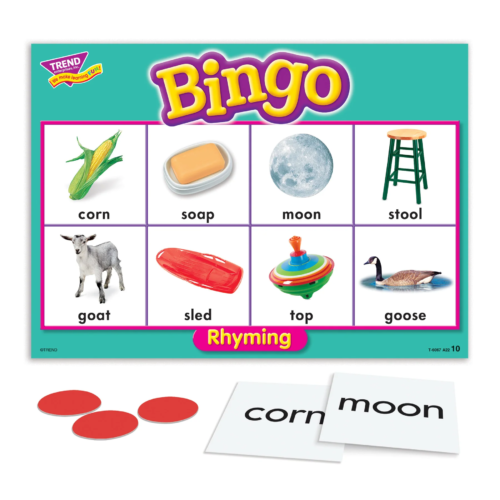 Rhyming Bingo for ages 4 and up!
 -
Sale!
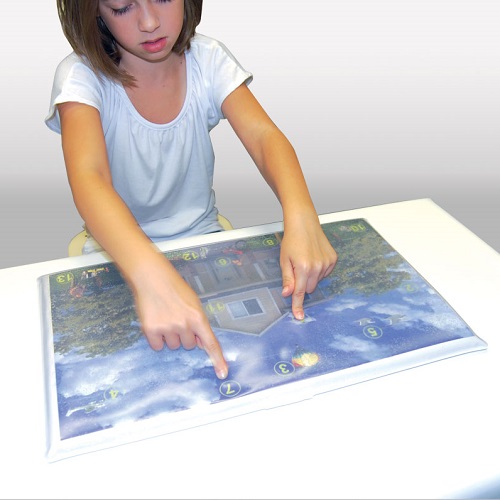
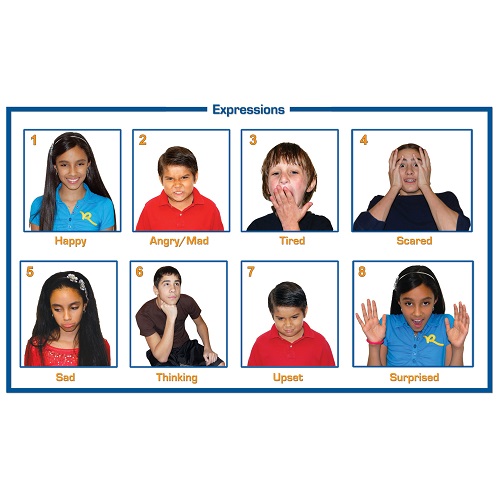 Gel pad with facial expressions.
 -
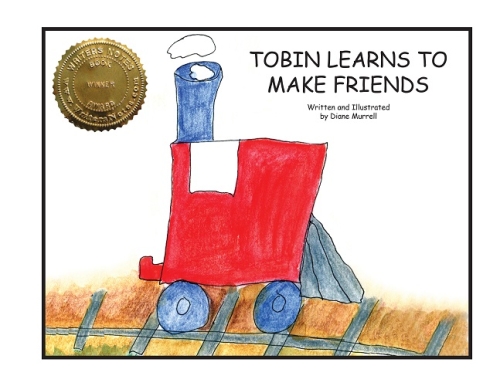 Join Tobin as he learns how to be a good friend! Tobin is a lonely red engine who cannot seem to make friends. But with the help of his buddies, he discovers that there are little things he can do to be nicer to those around him. Tobin soon finds that he is surrounded by friends who truly enjoy working and playing with him. Parents and teachers can use this book to teach friendship skills to children who find social interactions challenging.
 -
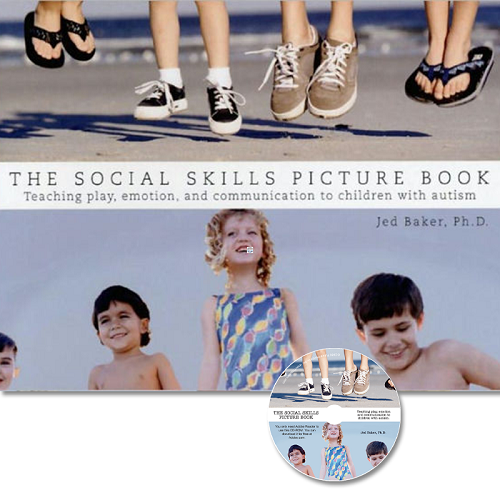 This book uses photographs of students engaging in a variety of real-life social situations. The realistic format plays to the visual strengths of children with ASD to teach appropriate social behaviors. Color photographs illustrate the “right way” and “wrong way” to approach each situation—and the positive/negative consequences of each. An adult then explains each situation, asking questions such as, “What is happening here?“ Children can role-play skills until they are confident enough to practice them in real life interactions.
 -
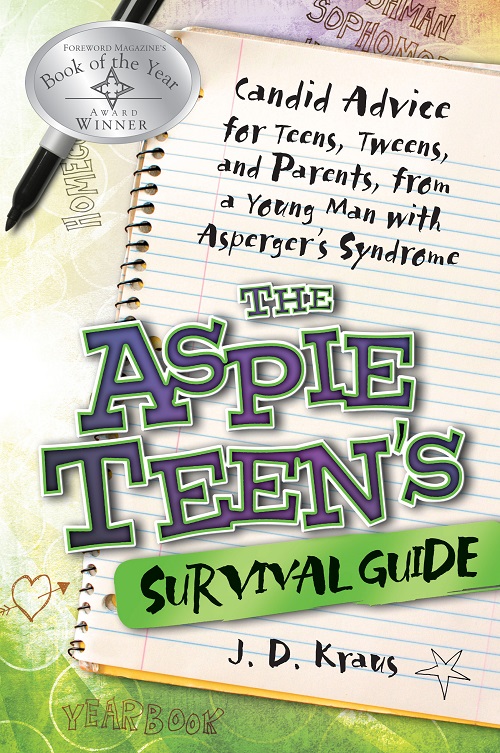 The teenage years are a time when being social is the #1 priority for kids. But for kids with Asperger’s, who have acute social challenges, these years can be the most difficult, confusing time in their lives. Enter J. D. Kraus, a young man who has been there, done that! He offers practical advice to his peers so they can get the most out of middle school and high school, both academically and socially. From sensory sensitivity to awkwardness, dating to driving, he tackles it all!
 -
 Provides practical advise of dealing with daily challenges.
 -
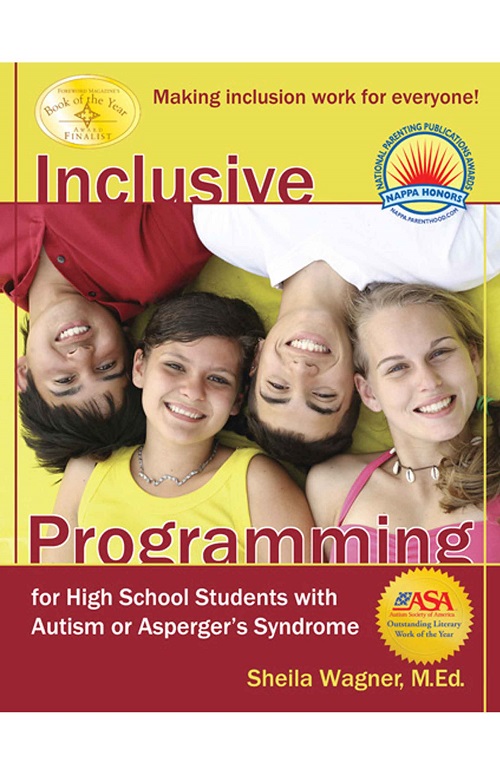 Even though inclusive education is now the standard for educating students with special needs, inclusion is a still a very new process. Successful inclusion relies on flexibility of parents and educators, and their ability to work together for the sake of the student. Training, collaboration, specialized teaching, long-term planning, and a clear idea of the desired outcome for the student—these are just as important at the high school level as they were in elementary and middle school.
 -
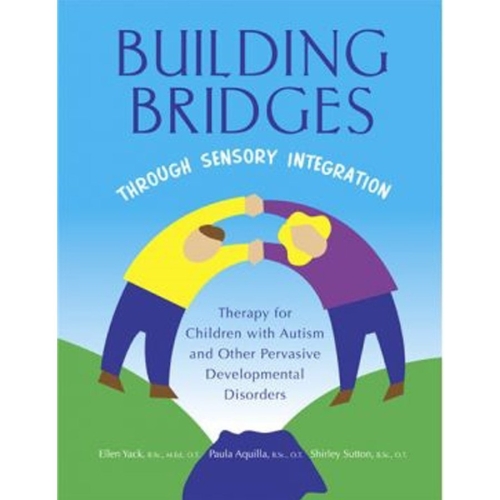
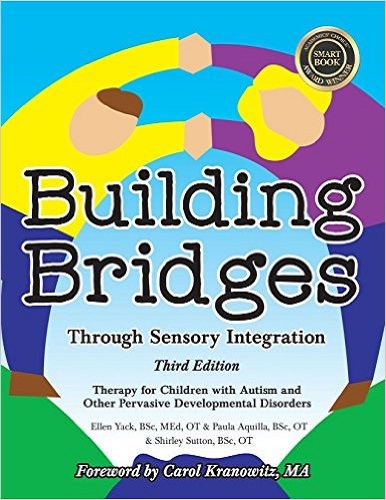 Written by three experienced occupational therapists, this book offers a combination of theory and strategies. It is a perfect tool for those working with young children, but also broad enough to be adapted for older children and adults.
 -
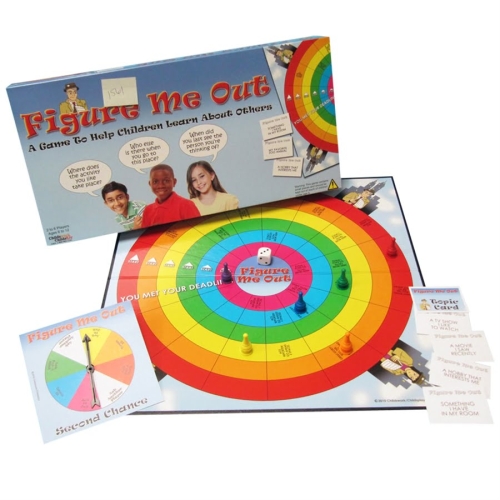 Game helps develop social skills..
 -
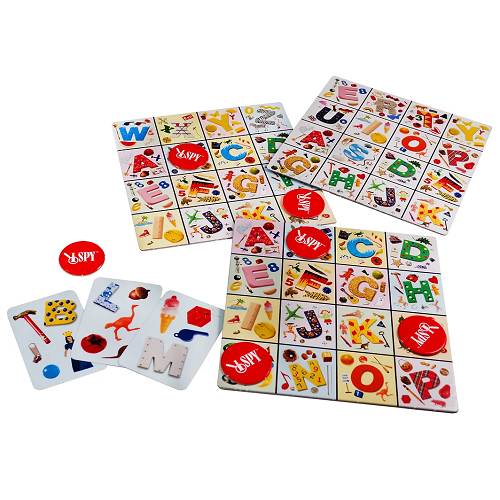
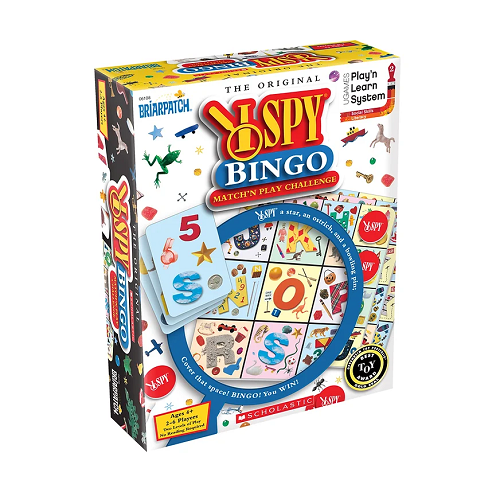
I SPY combines beautiful photographs, familiar object collections and rhyming riddles to create brain teasing puzzles kids and adults can't resist. Our collection of I SPY games and puzzles reinforces these principles in a variety of fun and unique ways. With I SPY Bingo, popular I SPY pictures become a fast and fun bingo game... get 4 in a row and shout Bingo!
-
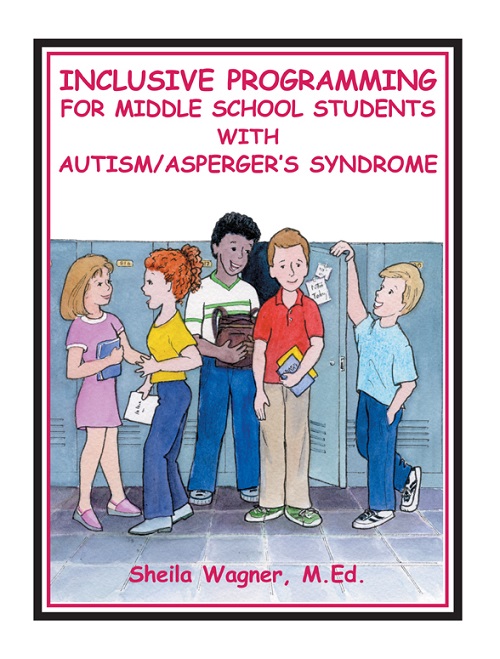 Middle school presents unique challenges to those with autism / Asperger’s, but it can also be exciting and rewarding. Inclusive Programming addresses transitioning to and from middle school, and everything in between: hormones, cliques, bullying, aggression, and “fitting in.” The ingredients for success are pre-planning, frequent monitoring of progress, teacher training, and regular communication between all concerned.
 -
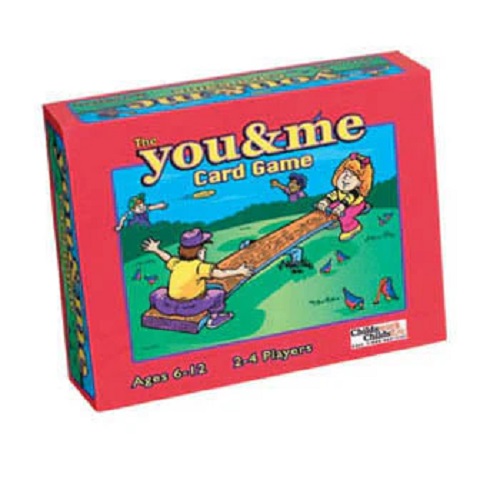 Created by Lawrence E. Shapiro, Ph.D. This card game is designed to simulate a standard 52-card deck - with a twist! Instead of numbered cards there are 13 different children and instead of the four traditional suits there are four social skills areas - Having Fun, Inviting a Friend, Talking, and Solving a Problem. As children play the game, they make up stories that demonstrate social awareness using the 13 different character cards. The instructions suggest four ways to play, but these entertaining cards can be used in dozens of other creative ways.
 -
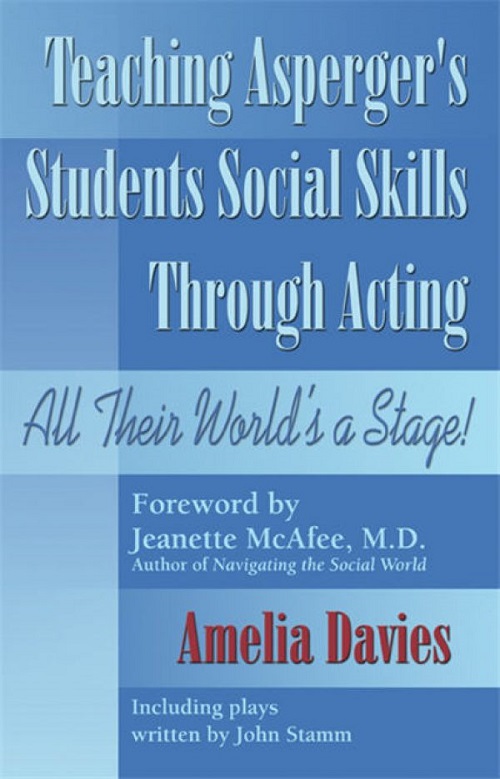 When given the chance, young people with Asperger’s can be the most charismatic actors that have ever hit the stage. In this guidebook, author Amelia Davies provides the theories and activities you’ll need to set up acting classes that double as social skills groups for individuals with Asperger’s or high-functioning autism. Included are acting exercises and plays that teach actors how to control and use body language, nonverbal communication, tone of voice, facial expressions, and movement, which are all important social skills.
 -
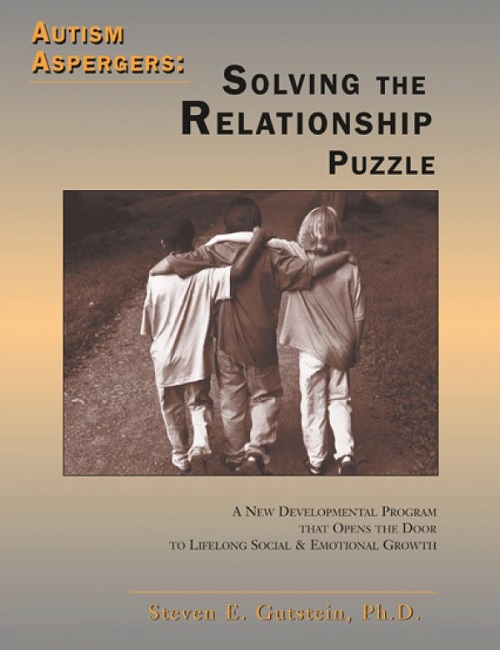 Steve Gutstein, a psychologist and autism specialist, has dedicated his life to bridging the social gap between children with autism and the rest of us. The result of his efforts is an innovative program—Relational Development Intervention—that takes social skills teaching to the next level.