-
 In this heartwarming book, a grandfather offers loving advice in a series of letters to his grandson Charlie, who has autism. His letters educate and inspire, while painting a beautiful, positive portrait of children with autism. He explains what autism is and what it is not, offers social dos and don’ts, and encourages Charlie to be who he is and follow his dreams. Makes a great gift for young adults on the spectrum!
 -
 Make leisure time fun for all children and adults with autism spectrum disorders! Leisure time should be a part of the day that all look forward to enjoying, but for many it can cause anxiety and fear. This book provides comprehensive, structured strategies to introducing meaningful leisure time to ASD children and adults, which they can practice at home, school, and in the community.
 -
 Uno de los clásicos más apreciados por la comunidad del autismo,“Diez cosas que todo niño con autismo desearía que supieras”, ha encantado, informado y servido de guía a millones de familias y profesionales de todo el mundo desde que se publicó la primera edición en 2005.
 -
 La edición revisada del innovador libro de 1998 que introdujo el Trastorno del procesamiento sensorial (SPD) a padres, maestros y otros no especialistas. SPD es un problema común y frecuentemente diagnosticado erróneamente en el cual el sistema nervioso central malinterpreta los mensajes de los sentidos. Esta nueva edición presenta información adicional sobre déficits visuales y auditivos, dificultades de habilidades motoras, TDAH, autismo, síndrome de Asperger y otros trastornos relacionados.
 -
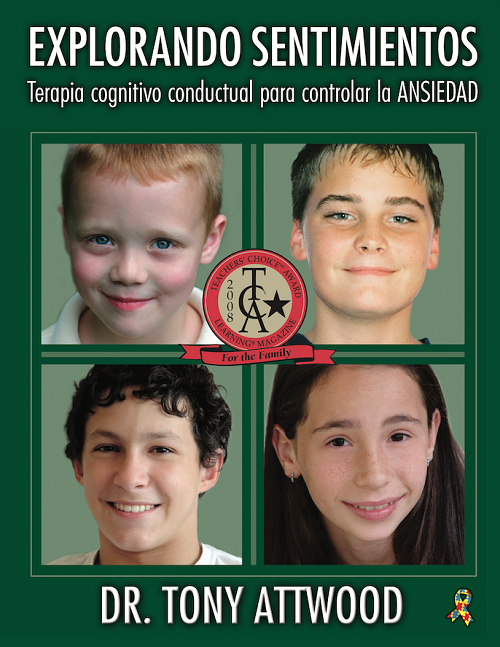 ¡Ganador de un premio 2008 Teachers’ Choice Award! La ansiedad puede ser debilitante para cualquiera, pero puede ser especialmente confusa para un niño. Aprender sobre las emociones ayuda a los niños a reconocer las conexiones entre pensar y sentir, y los efectos fisiológicos de la ansiedad en el cuerpo (sudoración, aumento del ritmo cardíaco, llanto, etc.).
 -
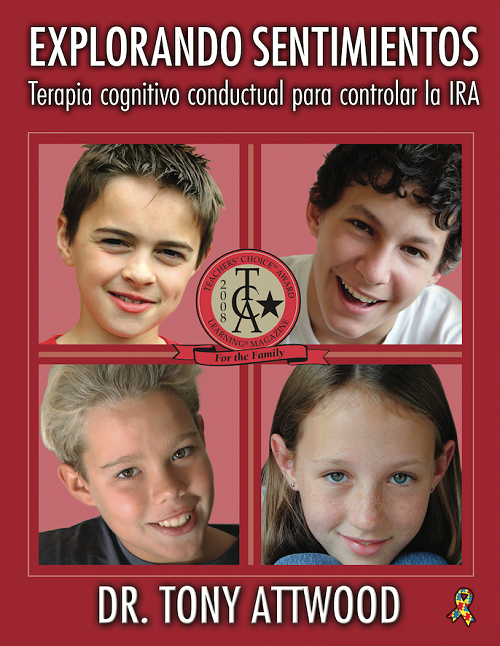 ¡Ganador de un premio 2008 Teachers’ Choice Award! Muchos niños, especialmente aquellos con retrasos en el desarrollo, tienen problemas para comprender o expresar sus sentimientos. Esto puede resultar en dificultades con el manejo de la ira. Listar las posibles respuestas a las situaciones, y el resultado probable de cada una, le permite al niño tomar decisiones informadas sobre qué respuestas elegir (por ejemplo, alejarse frente a golpear).
 -
 Many children, especially those with developmental delays, have trouble understanding or expressing their feelings. This can result in difficulty with anger management. Listing possible responses to situations—and the likely outcome of each one—allows the child to make informed decisions about which responses to choose (e.g., walking away vs. hitting).
 -
 Anxiety can be debilitating for anyone, but it can be especially confusing for a child. Learning about emotions helps children recognize connections between thinking and feeling, and the physiological effects of anxiety on the body (sweating, increased heart rate, crying, etc.).
 -
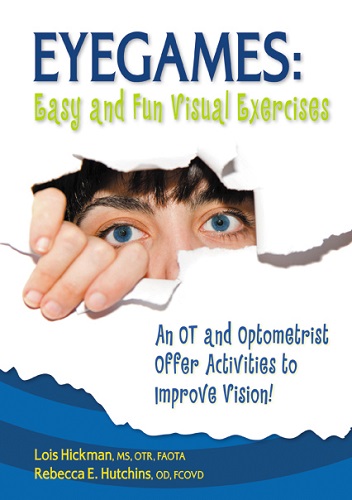 Developing healthy visual-motor abilities is more difficult in the complex stimulus of today’s world than ever before, especially for those with Autism Spectrum Disorder. Our visual experiences can be overwhelmed by the vast complexity of artificial colors and sounds which did not exist in our ancestors’ lives. Much more time is spent indoors, exposed to a myriad of unnatural colors, movement, and imagery.
 -
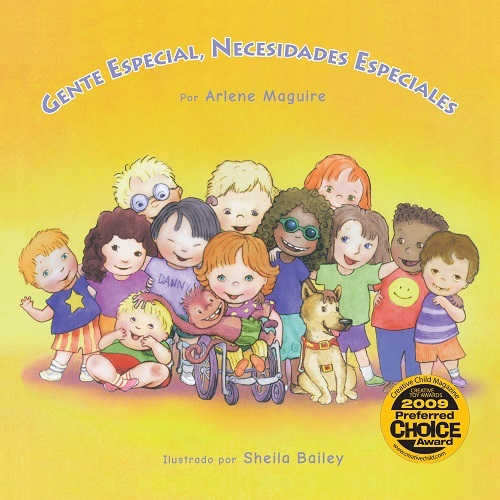 La encantadora rima de Arlene Maguire se combina con las vivas ilustraciones en acuarela de Sheila Bailey para llevar al lector en un viaje al descubrimiento. Más allá de nuestras limitaciones físicas existe un mundo de dones únicos para que cada uno de nosotros compartamos. Aunque nos veamos diferentes, somos iguales por dentro.
 -
 Sensory solutions
 -
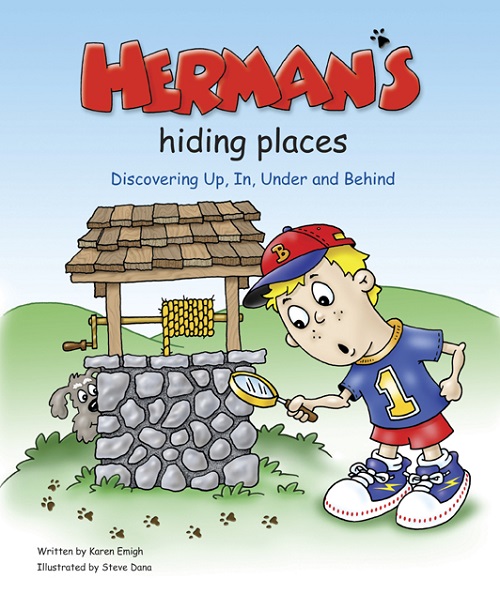 Karen Emigh’s son Brett—the “star” of all three of her books—was diagnosed with autism when he was six. Each book teaches a part of language that children on the autism spectrum often struggle with. In Herman’s Hiding Places, she teaches the concepts behind prepositions. Brett and his dog Herman play hide-and-seek, and Herman is “it.”
 -
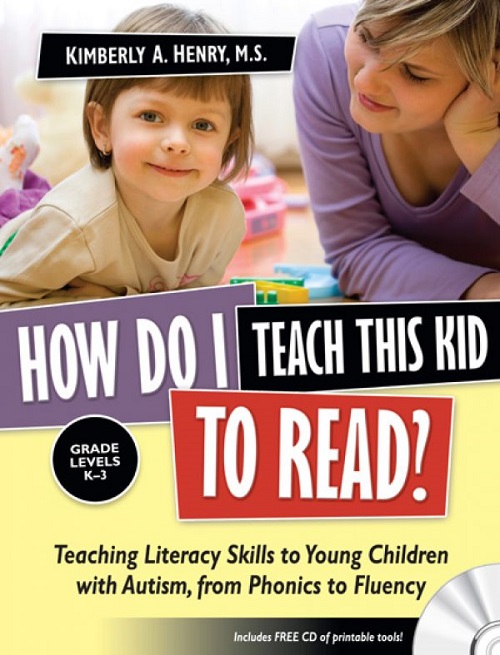 Reading provides personal enjoyment, access to information, and opens doors to opportunities throughout life, both recreational and occupational. Reading helps us grow and vicariously experience things we are curious about, and dream about.
 -
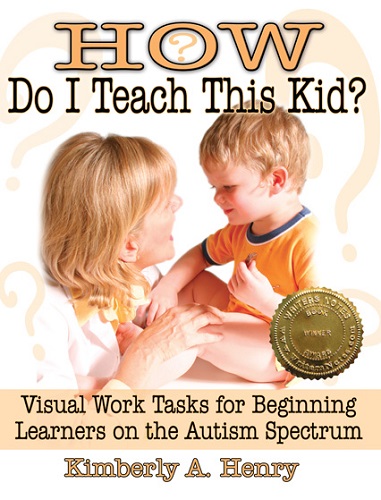 First Runner-Up in the 2006 Writer’s Notes Book Awards, this book utilizes the strengths of children with ASD to help them develop new skills. Tasks are visually oriented, consistent; expectations are clear.
 -
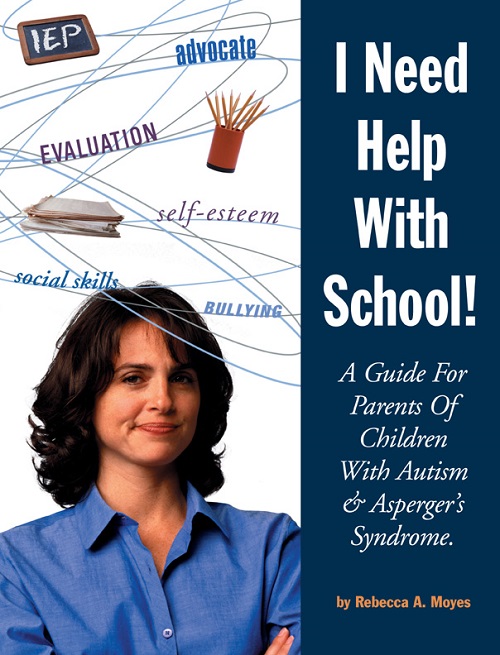 Specifically written for parents of children with autism or Asperger’s Syndrome, this guide demystifies special education laws to help them understand their legal rights and the rights of their child. Moyes also addresses such issues as developing a child’s social skills, encouraging self-esteem, and dealing with teasing and bullying.
 -
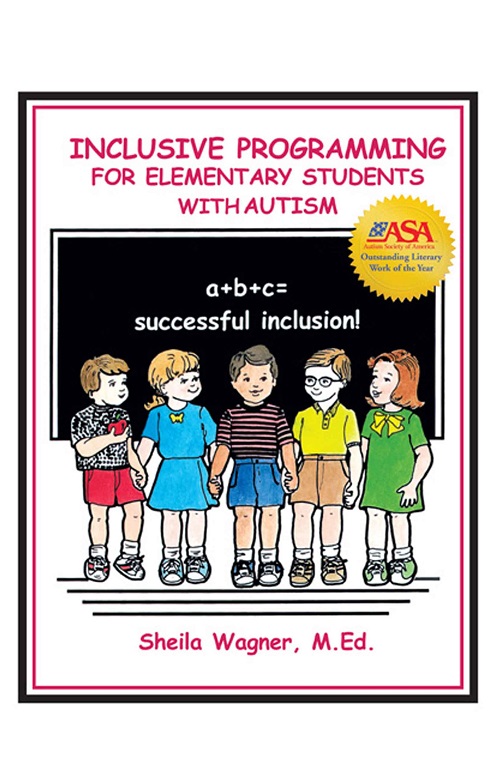 Winner of the Autism Society of America’s Literary Work of the Year Award, this first book in Sheila Wagner’s Inclusive Programming series provides an inclusion program for students with autism spectrum disorders. Teachers, parents, and students alike will benefit from Sheila’s insight and presentation as she outlines both theories and applications of inclusive programming for elementary school students.
 -
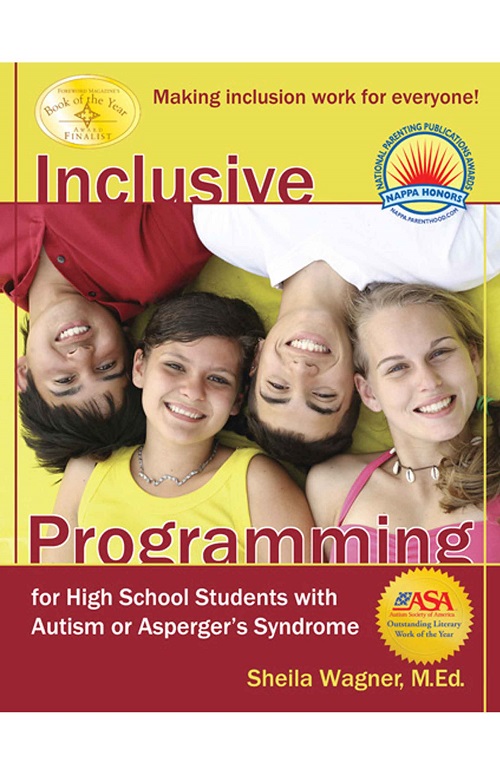 Even though inclusive education is now the standard for educating students with special needs, inclusion is a still a very new process. Successful inclusion relies on flexibility of parents and educators, and their ability to work together for the sake of the student. Training, collaboration, specialized teaching, long-term planning, and a clear idea of the desired outcome for the student—these are just as important at the high school level as they were in elementary and middle school.
 -
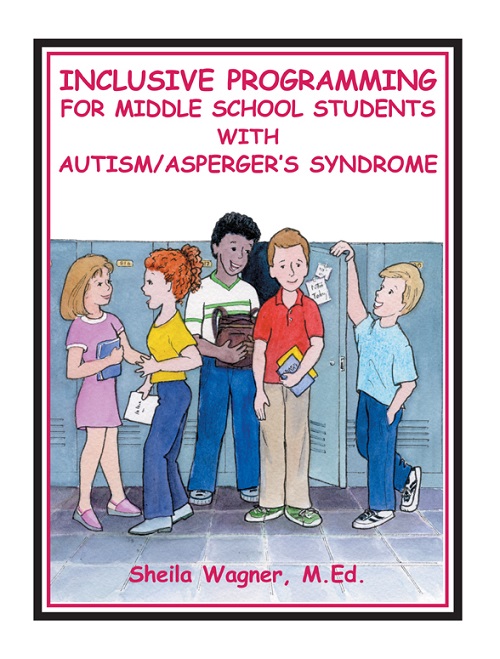 Middle school presents unique challenges to those with autism / Asperger’s, but it can also be exciting and rewarding. Inclusive Programming addresses transitioning to and from middle school, and everything in between: hormones, cliques, bullying, aggression, and “fitting in.” The ingredients for success are pre-planning, frequent monitoring of progress, teacher training, and regular communication between all concerned.
 -
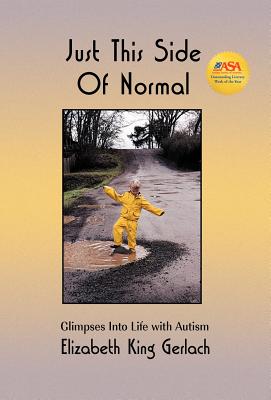 Winner of the ASA Outstanding Literary Work of the Year Award, Just This Side of Normal is a powerful story of a parent’s search for understanding in a world that sometimes makes no sense. This book was one of the first autobiographies written by a parent of a child with autism and it continues to inspire both parents and professionals in the autism community.
 -
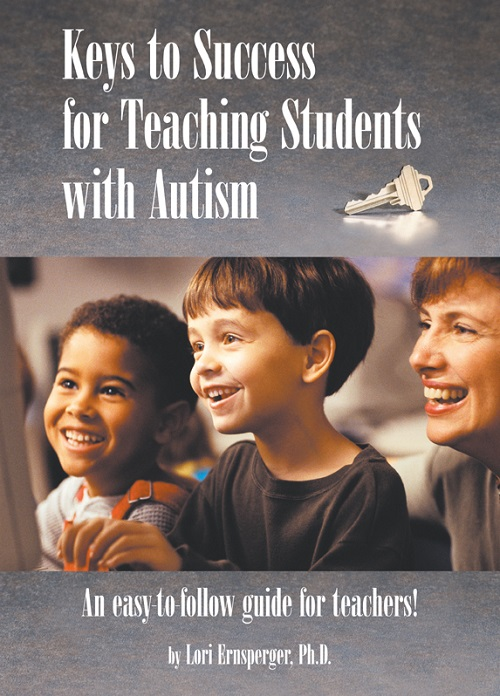 After more than 17 years of experience working with teachers struggling to implement an effective learning program for special needs kids, Dr. Lori Ernsperger decided it was about time someone created a comprehensive resource for practical use in the classroom. She wrote this book as a practical, step-by-step guide to educating students with autism.
 -
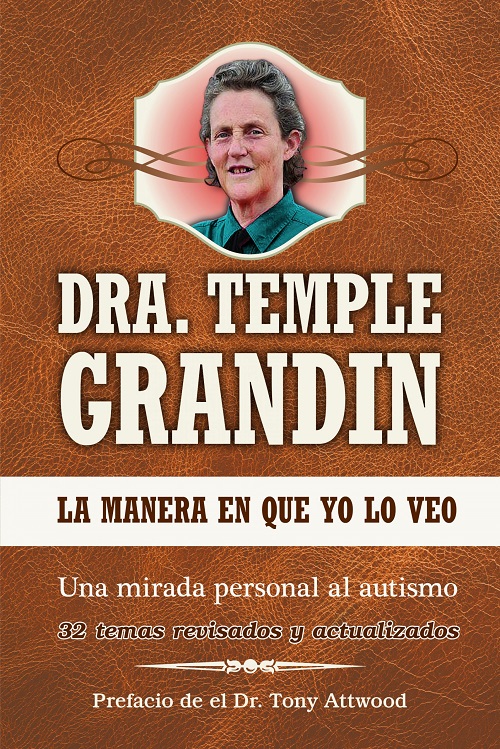 En el querido libro clásico The Way I See It (ahora en español!), la Dra. Temple Grandin aborda los problemas REALES del autismo, los que enfrentan los padres, maestros e individuos en el espectro todos los días. En esta quinta edición actualizada, Temple ofrece consejos útiles sobre qué hacer y qué no hacer, estrategias prácticas y consejos para probarlo, todo basado en su perspectiva interna y una gran cantidad de investigación.
 -
 Feelings can be so confusing. Just when kids begin to understand their own emotions, they are expected to understand what other people are feeling, too. This book will help children identify various facial expressions and the feelings behind them.
 -
 As a popular advice columnist in the UK, Barbara Jacobs never suspected she’d be the one needing the relationship advice. But when she fell in love with Danny, a man with Asperger’s Syndrome, she quickly learned to expect the unexpected. In this book, Barbara candidly delves into the dynamics of their relationship.
 -
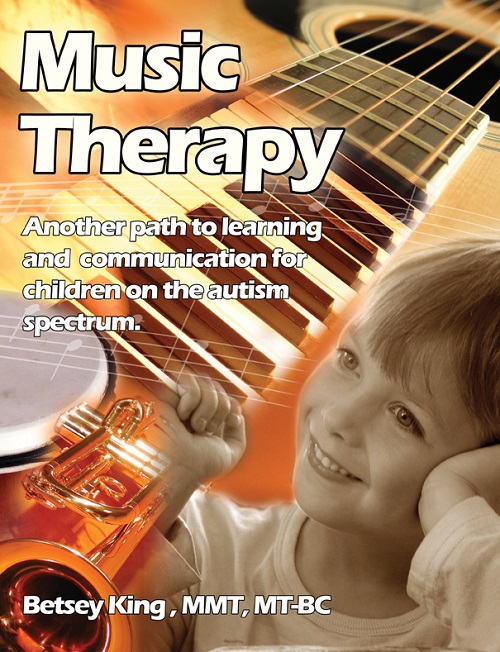 Music therapy is the use of music to address non-musical goals. More and more parents and professionals are finding that music can break down barriers for children with autism in areas such as cognition, communication, and socialization.
