-
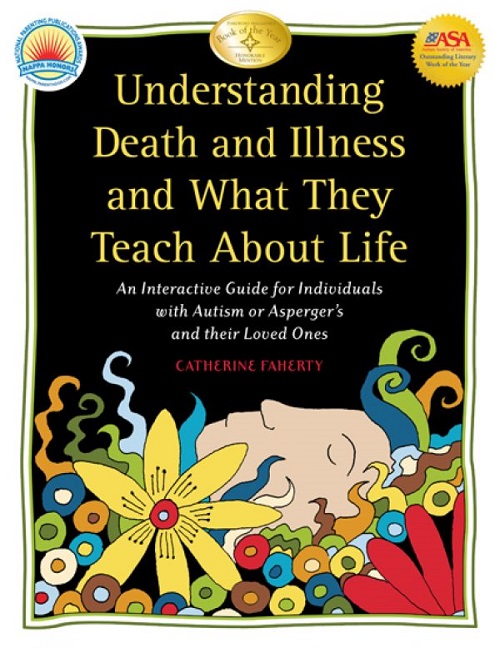 Death and illness affect every person. Witnessing the dying and death of a person or pet can leave you with many questions. In this book, author Catherine Faherty answers those questions in an autism-friendly, clear and precise way, geared for children, teens, and adults with autism. But this book is not just about death. It also demonstrates the interconnectedness of living and dying and offers simple, positive guidelines for living. Communication Forms to make it easier for the readers and their families, friends, teachers, therapists, or others to identify and respond to the unique needs of the reader.
 -
 Sensory solutions
 -
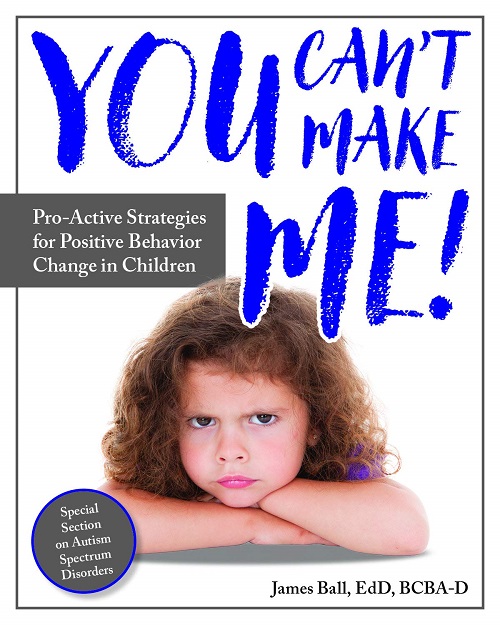 Behavior isn’t an isolated event. All behavior is communication, and when it comes to figuring out what your child is trying to say, Dr. Jim Ball has the answers. This book walks the reader through a variety of scenarios that will explore why a child may engage in a specific behavior, and help you build your “behavior-investigator” skills to develop a behavior plan that works.
 -
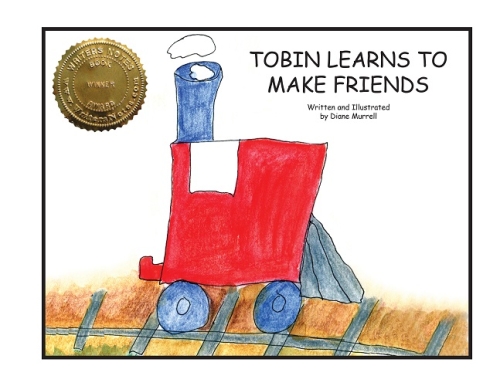 Join Tobin as he learns how to be a good friend! Tobin is a lonely red engine who cannot seem to make friends. But with the help of his buddies, he discovers that there are little things he can do to be nicer to those around him. Tobin soon finds that he is surrounded by friends who truly enjoy working and playing with him. Parents and teachers can use this book to teach friendship skills to children who find social interactions challenging.
 -
 In the beloved classic book The Way I See It, Dr. Temple Grandin gets to the REAL issues of autism―the ones parents, teachers, and individuals on the spectrum face every day. In this updated fifth edition, Temple offers helpful dos and don’ts, practical strategies, and try-it-now tips all based on her insider perspective and a great deal of research.
 -
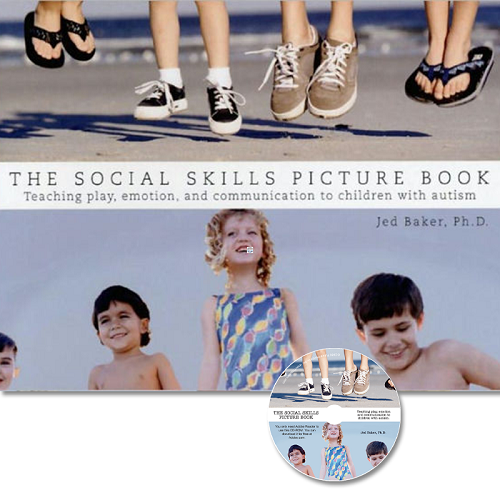 This book uses photographs of students engaging in a variety of real-life social situations. The realistic format plays to the visual strengths of children with ASD to teach appropriate social behaviors. Color photographs illustrate the “right way” and “wrong way” to approach each situation—and the positive/negative consequences of each. An adult then explains each situation, asking questions such as, “What is happening here?“ Children can role-play skills until they are confident enough to practice them in real life interactions.
 -
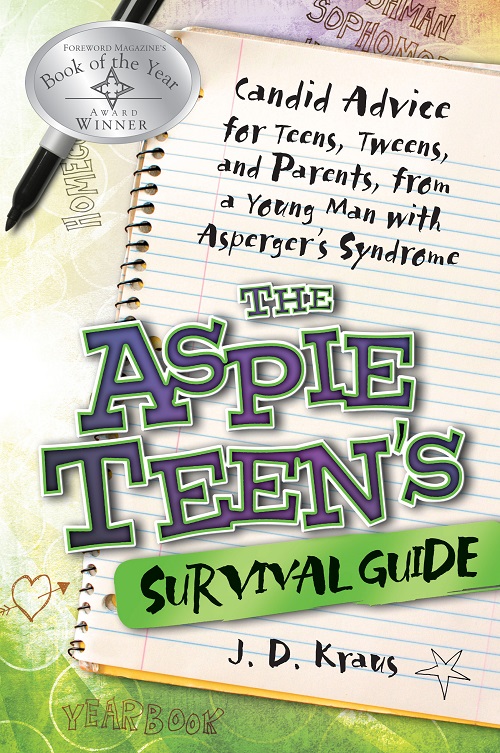 The teenage years are a time when being social is the #1 priority for kids. But for kids with Asperger’s, who have acute social challenges, these years can be the most difficult, confusing time in their lives. Enter J. D. Kraus, a young man who has been there, done that! He offers practical advice to his peers so they can get the most out of middle school and high school, both academically and socially. From sensory sensitivity to awkwardness, dating to driving, he tackles it all!
 -
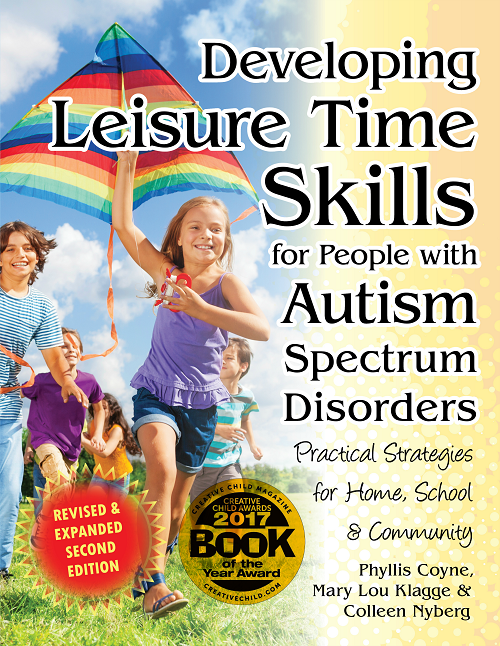 Make leisure time fun for all children and adults with autism spectrum disorders! Leisure time should be a part of the day that all look forward to enjoying, but for many it can cause anxiety and fear. This book provides comprehensive, structured strategies to introducing meaningful leisure time to ASD children and adults, which they can practice at home, school, and in the community.
 -
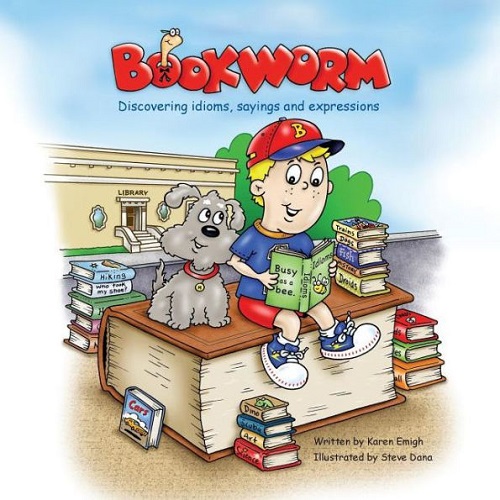 This third book in Emigh’s series featuring Brett, and his helpful dog, Herman, introduces young readers to a world of idioms. Playful dialogues, clear explanations, and colorful images make figurative language understandable and fun. Full color.
 -
 Provides practical advise of dealing with daily challenges.
 -
 The main objective of this book is to assist young individuals with Asperger’s and Autism to overcome the big leap from high school to life outside of public education. The time right after high school can be a very frightening experience. What a person decides from this point on ultimately affects the rest of his or her life.
 -
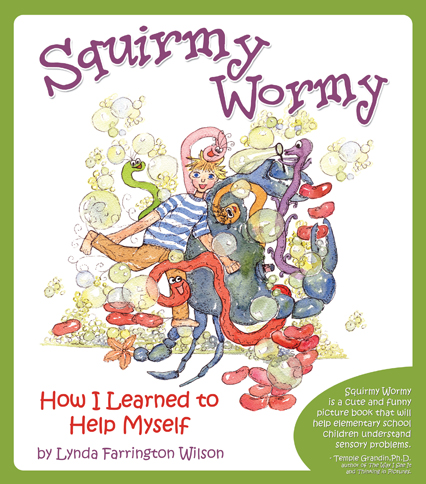 Many kids have some form of SPD (Sensory Processing Disorder), but who can help them overcome their daily struggles? Wait! They can help themselves! Lynda Farrington Wilson, along with Tyler and some delightful illustrations, help kids help themselves through daily life like no one has before with some great everyday tips and techniques.
 -
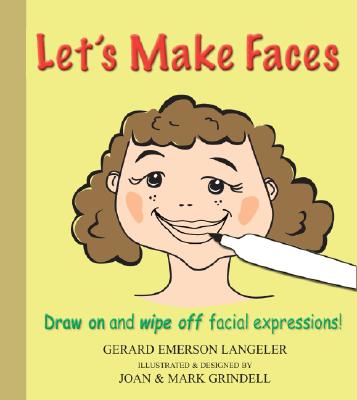 Feelings can be so confusing. Just when kids begin to understand their own emotions, they are expected to understand what other people are feeling, too. This book will help children identify various facial expressions and the feelings behind them.
 -
 Even though inclusive education is now the standard for educating students with special needs, inclusion is a still a very new process. Successful inclusion relies on flexibility of parents and educators, and their ability to work together for the sake of the student. Training, collaboration, specialized teaching, long-term planning, and a clear idea of the desired outcome for the student—these are just as important at the high school level as they were in elementary and middle school.
 -
 Winner of the Autism Society of America’s Literary Work of the Year Award, this first book in Sheila Wagner’s Inclusive Programming series provides an inclusion program for students with autism spectrum disorders. Teachers, parents, and students alike will benefit from Sheila’s insight and presentation as she outlines both theories and applications of inclusive programming for elementary school students.
 -
 Karen Emigh’s son Brett—the “star” of all three of her books—was diagnosed with autism when he was six. Each book teaches a part of language that children on the autism spectrum often struggle with. In Herman’s Hiding Places, she teaches the concepts behind prepositions. Brett and his dog Herman play hide-and-seek, and Herman is “it.”
 -

 Written by three experienced occupational therapists, this book offers a combination of theory and strategies. It is a perfect tool for those working with young children, but also broad enough to be adapted for older children and adults.
 -
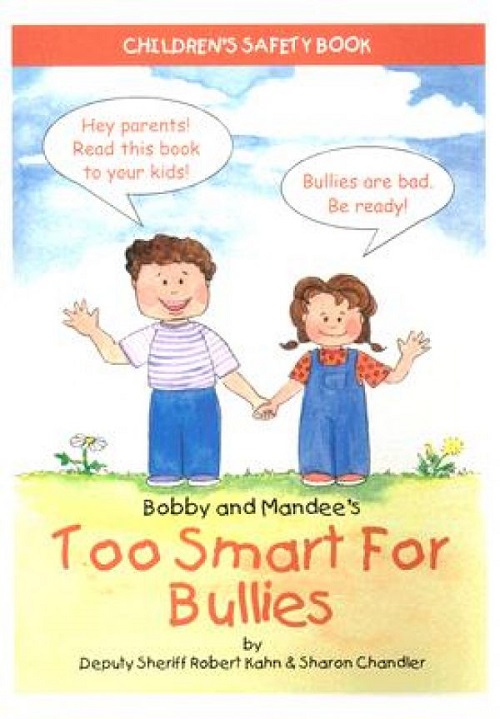 Bullies, Beware! This is a little book is going to have a big impact! In this moral-driven story, Mandee tells big brother Bobby how a bully took all her money. Bobby stresses that she needs adult help, and explains what to do if it happens again.
 -
 Winner of the 2000 Oppenheim Toy Portfolio SNAP Award and Dr. Toy’s Best Vacation Children’s Products, 28 Instant Songames is great fun for typical children as well as those with special needs!
 -
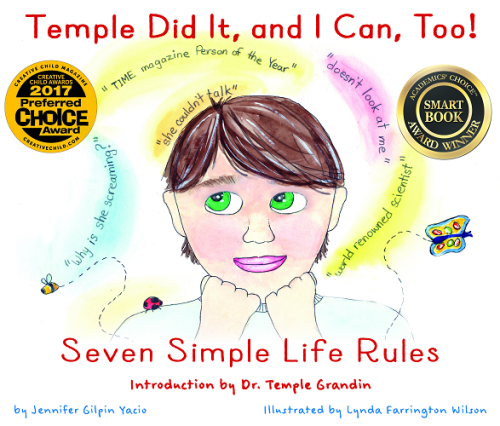 The FIRST children’s book by these two authors, Temple Did It and I Can Too! will help guide and inspire kids to reach their full potential. Winner of a 2015 Academic’s Choice Award, this book explains the obstacles Dr. Temple Grandin faced while growing up, the the rules she followed to overcome them, and her path to become a leading animal scientist and a world-famous advocate for those with autism. This colorful, hardcover book even includes worksheets for kids to identify and reach their goals!
 -
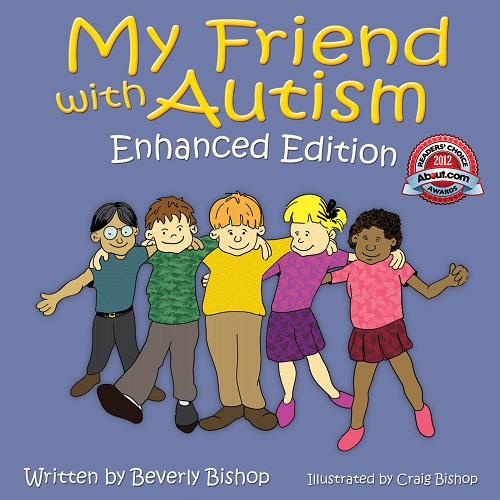 This book’s vivid illustrations and charming storyline will foster tolerance and understanding among peers, while the printable coloring pages will enlighten and engage learners!
 -
 As a popular advice columnist in the UK, Barbara Jacobs never suspected she’d be the one needing the relationship advice. But when she fell in love with Danny, a man with Asperger’s Syndrome, she quickly learned to expect the unexpected. In this book, Barbara candidly delves into the dynamics of their relationship.
 -
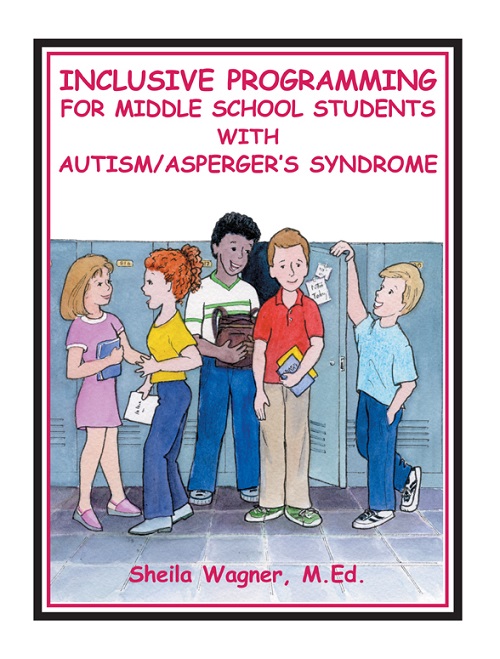 Middle school presents unique challenges to those with autism / Asperger’s, but it can also be exciting and rewarding. Inclusive Programming addresses transitioning to and from middle school, and everything in between: hormones, cliques, bullying, aggression, and “fitting in.” The ingredients for success are pre-planning, frequent monitoring of progress, teacher training, and regular communication between all concerned.
 -
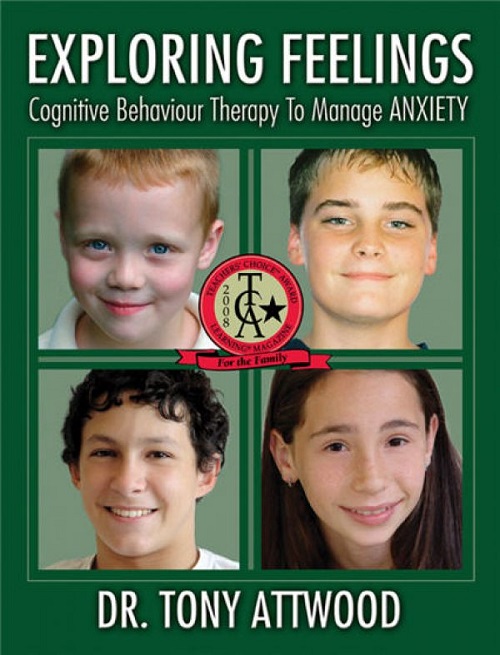 Anxiety can be debilitating for anyone, but it can be especially confusing for a child. Learning about emotions helps children recognize connections between thinking and feeling, and the physiological effects of anxiety on the body (sweating, increased heart rate, crying, etc.).
