-
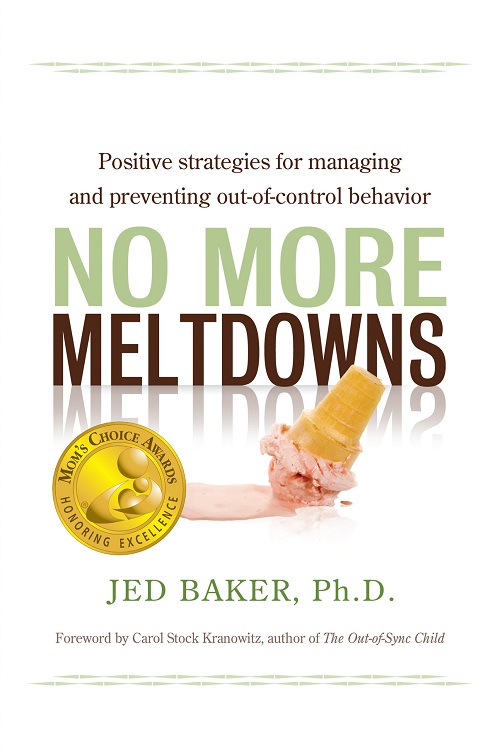 It could happen anywhere: at the grocery store, at a restaurant, at school, or at home. Meltdowns are stressful for both child and adult, but Dr. Baker can help! Author of the award-winning Social Skills Picture Book series, Dr. Jed Baker offers parents and teachers strategies for preventing and managing meltdowns.
 -
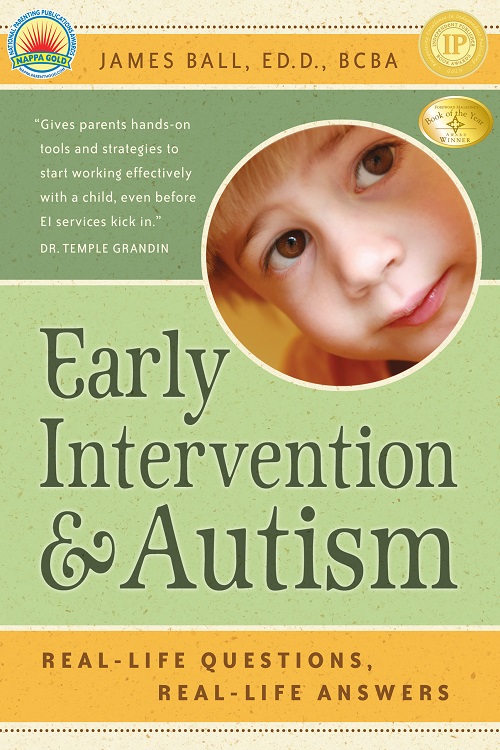 Leave behind confusing textbooks and unreliable websites. This book will guide you through your child’s early years by providing sound advice based on over twenty years of experience. In an easy-to-read, question-answer format, Dr. Jim Ball explains what makes your child tick, how to get the most out of early intervention services, and how to choose the most effective treatment options.
 -
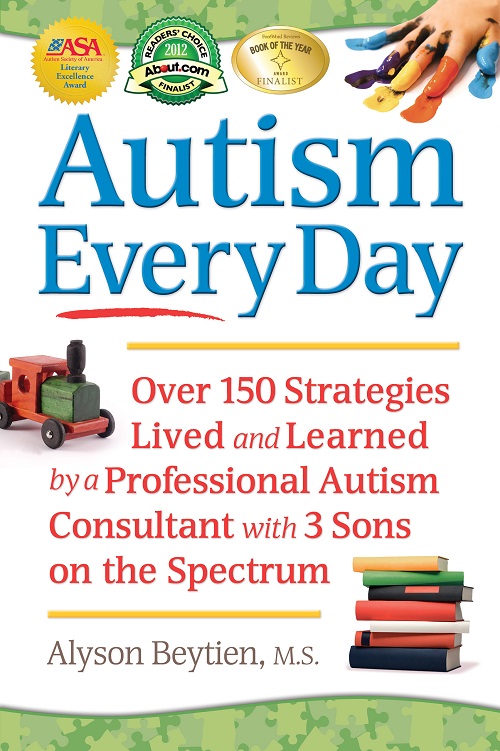 Autism Every Day is a balance of practical ideas, creative interventions, and strategies that seek to inspire and inform all those who are connected to a person with autism.The author’s three sons cover the entire spectrum of autism—Asperger’s Syndrome, high-functioning autism, and classic autism.
 -
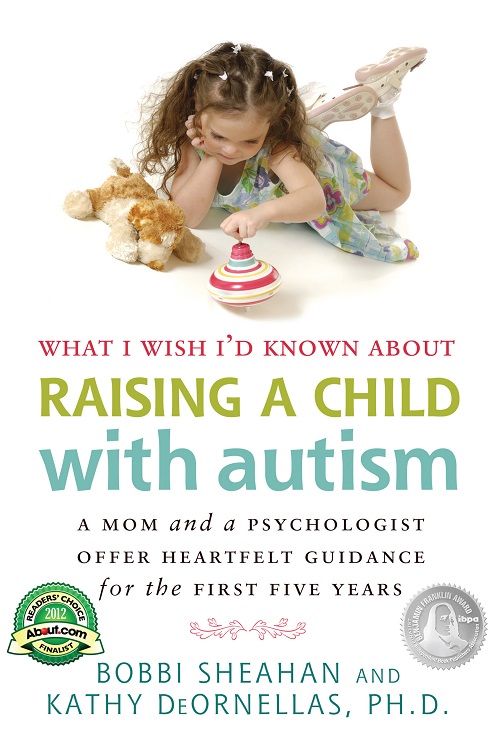 Bobbi Sheahan, mother of a child with autism, and psychologist Kathy DeOrnellas, Ph.D., did not write this book to lecture you on how to parent your child. Instead, they offer themselves as your scouts in the field, who have valuable information to share from the moment you realize your kid is different (My, what a quiet baby I have!), to the self-righteous moms on the playground, to holding your marriage together and the realm of routines.
 -
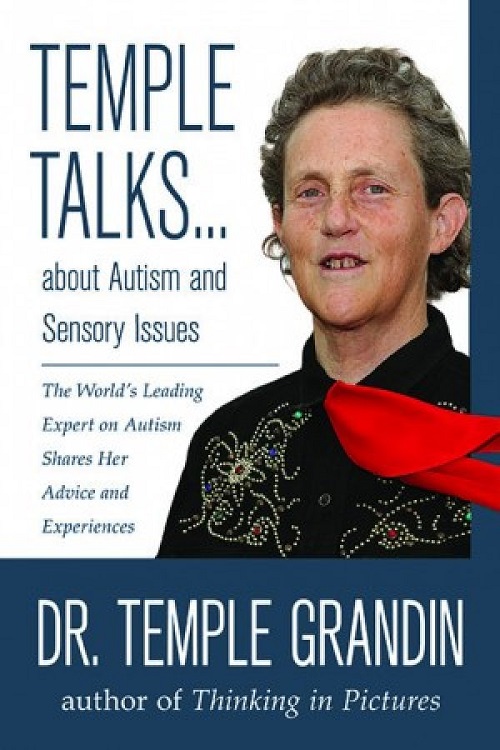 Winner of a 2015 Academic’s Choice Award, this is your pocket guide to Temple Grandin; a great introduction to her thoughts and advice on both autism and sensory issues! Dr. Temple Grandin is a doctor of animal science, a professor at Colorado State University, a best-selling author, an autism activist, and a consultant on animal behavior. She also invented the “squeeze machine,” a device to calm the sensory systems of those on the autism spectrum.
 -
 Updated and Expanded, 2nd Edition
 -
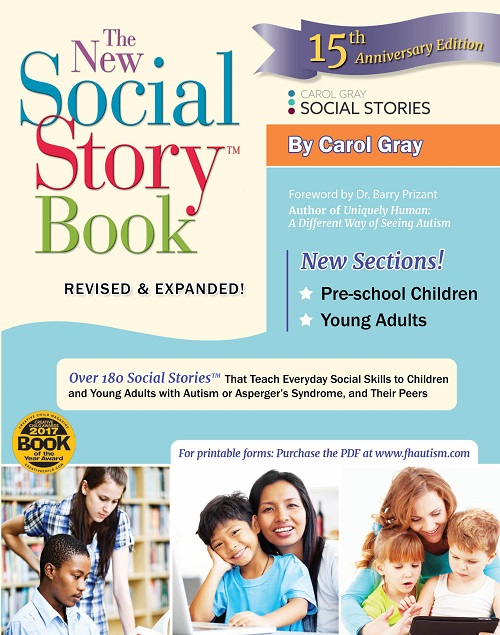 Since the early ‘90s, Carol Gray’s world-famous Social Stories have helped thousands of children with autism spectrum disorders. This 15th Anniversary Edition of her best-selling book offers ready-to-use stories that parents and educators have depended on for years—with new sections added! Additions include how to most effectively use and apply the stories, how to improve the lives of younger children, and Social Stories for teens and adults with autism.
 -
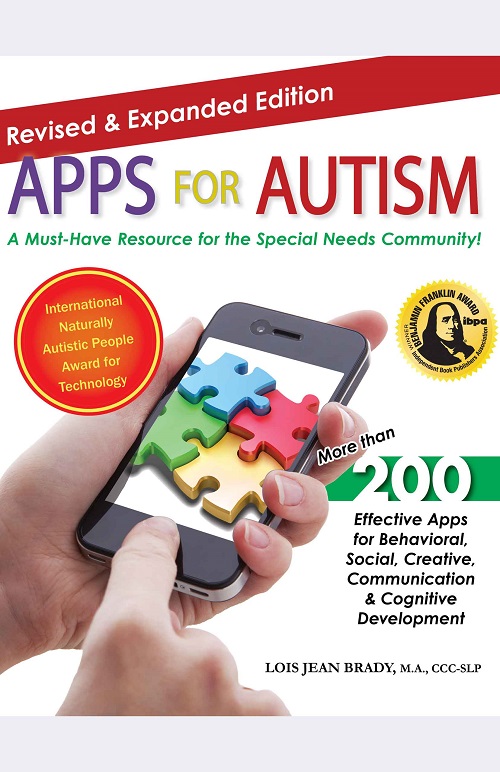 Actually, there are more than 200 apps for autism. This book will guide you through them, so you can confidently utilize today’s technology to maximize your child or student’s success! Speech Language Pathologist Lois Jean Brady wrote this book to educate parents, teachers, and other professionals about the breakthrough method she calls “iTherapy”—the use of Apple products (iPhone, iPad, iPod Touch) and various apps to meet students’ individual educational goals.
 -
 Born with autism, both Temple Grandin and Sean Barron now live famously successful social lives. However, their paths were quite different. Temple’s logical mind controlled her social behavior. She interacted with many adults and other children, experiencing varied social situations. Logic informed her decision to obey social rules and avoid unpleasant consequences. Sean’s emotions controlled his social behavior. Baffled by social rules, isolated and friendless, he made up his own and applied them to others. When they inevitably broke his rules, he felt worthless and unloved.
 -

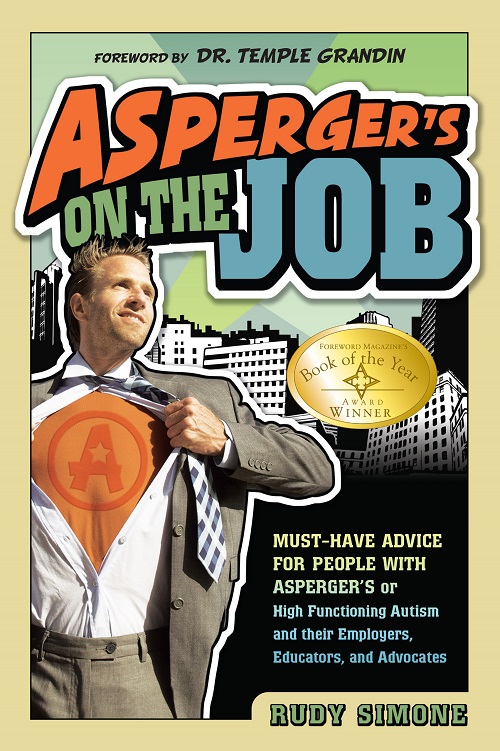 Rudy Simone, an adult with Asperger’s Syndrome and an accomplished author, consultant, and musician, created this insightful resource to help employers, educators, and therapists accommodate this growing population, and to help people with Asperger’s find and keep gainful employment.
 -
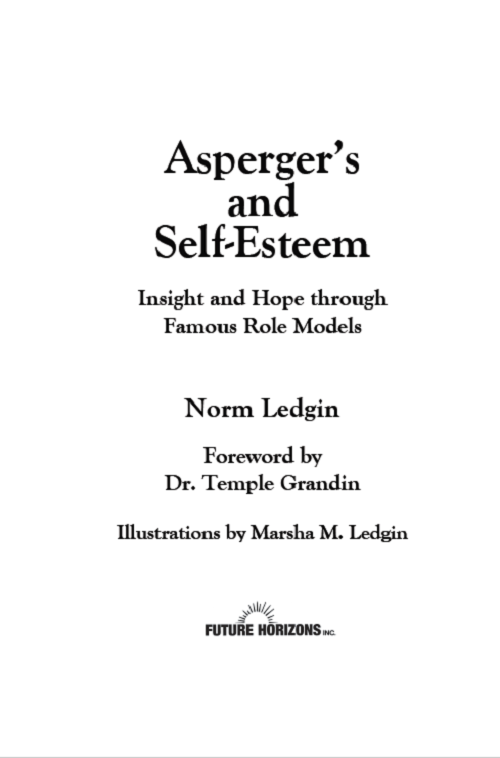
 From composer Amadeus Mozart to astronomer Carl Sagan, Ledgin examines the evidence of Asperger’s Syndrome in some of history’s most famous men and women and shows how, despite their apparent challenges, each made an immeasurable contribution to the world. A great book to raise the self esteem of those with Asperger’s.
 -
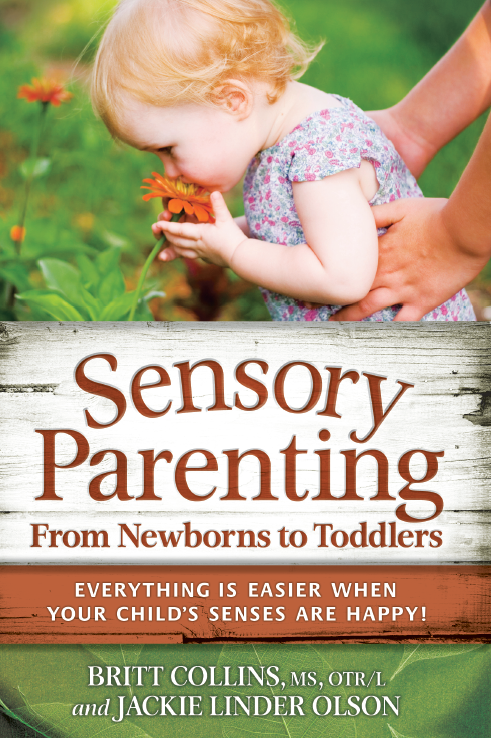 A child’s sensory system affects their ability to learn, play, socialize, and function. Maybe a child isn’t able to sit still in class because his shirt tag is bothering him, or isn’t able to play with other children because his balance is off. Maybe your child isn’t just a picky eater, it could be that his sensory system needs some special guidance and adjusting.
 -
 Winner of an iParenting Media Award, this picture book appeals to the visual strengths of students on the autism spectrum, with color photos of students demonstrating various social skills in the correct (and sometimes incorrect) way. The skills depicted are meant to be read, role-played, corrected when necessary, role-played some more and, finally, to be practiced by the student in real-life social situations. “Thought bubbles” show what people are thinking during these interactions (not always what you hoped!).
 -
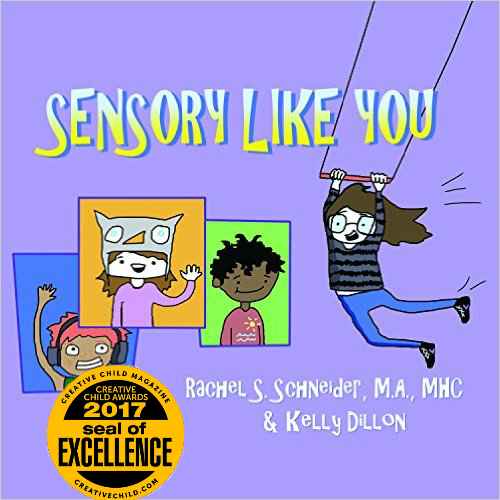 In this illustrated book for children ages six through nine, and based on the article, How One Adult With SPD Wants to Explain this Condition to Your Sensory Child , SPD adult advocates Rachel and Kelly will lead kids and their parents through the basic ins-and-outs of what it means to have Sensory Processing Disorders(SPD).
 -
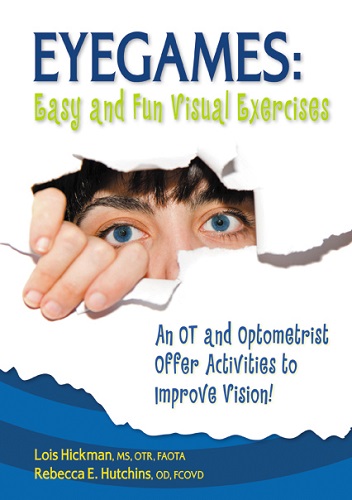 Developing healthy visual-motor abilities is more difficult in the complex stimulus of today’s world than ever before, especially for those with Autism Spectrum Disorder. Our visual experiences can be overwhelmed by the vast complexity of artificial colors and sounds which did not exist in our ancestors’ lives. Much more time is spent indoors, exposed to a myriad of unnatural colors, movement, and imagery.
 -
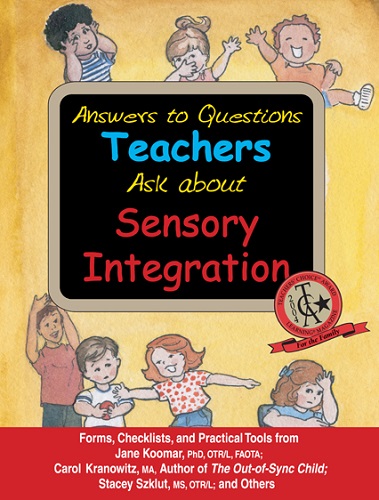 With up to 20% of the students in any given classroom affected by Sensory Integration Disorder, Answers to Questions is an invaluable resource for teachers of pre-school through high school.
 -
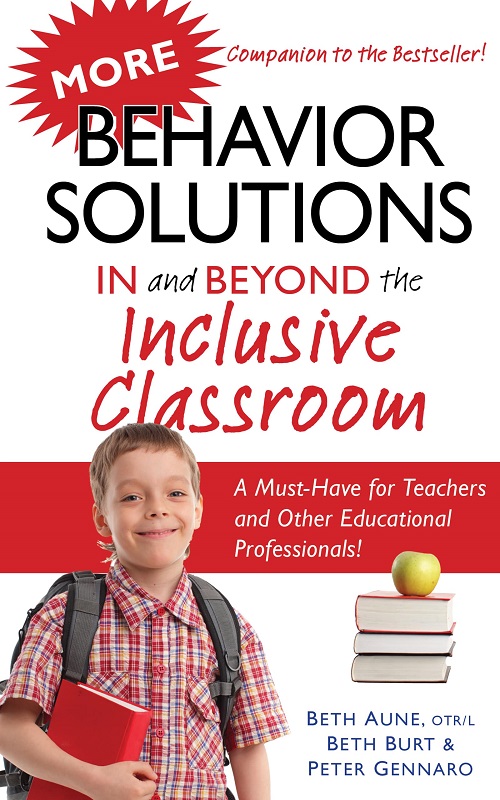 Now more than ever, states are mandating that children with special needs be included in the general education classroom. As a result, all educational professionals, from teachers to administrators, need specific training on how to handle unusual behaviors.
 -
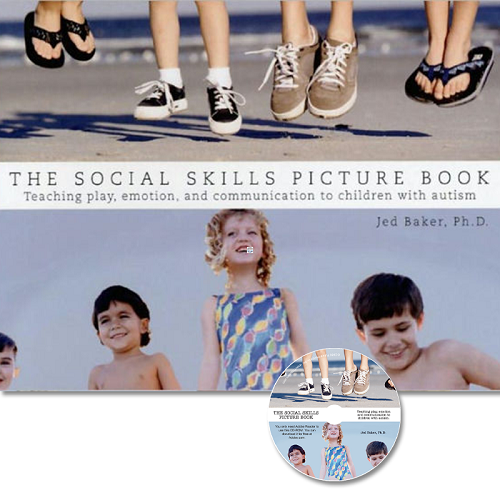 This book uses photographs of students engaging in a variety of real-life social situations. The realistic format plays to the visual strengths of children with ASD to teach appropriate social behaviors. Color photographs illustrate the “right way” and “wrong way” to approach each situation—and the positive/negative consequences of each. An adult then explains each situation, asking questions such as, “What is happening here?“ Children can role-play skills until they are confident enough to practice them in real life interactions.
 -
 The teenage years are a time when being social is the #1 priority for kids. But for kids with Asperger’s, who have acute social challenges, these years can be the most difficult, confusing time in their lives. Enter J. D. Kraus, a young man who has been there, done that! He offers practical advice to his peers so they can get the most out of middle school and high school, both academically and socially. From sensory sensitivity to awkwardness, dating to driving, he tackles it all!
 -
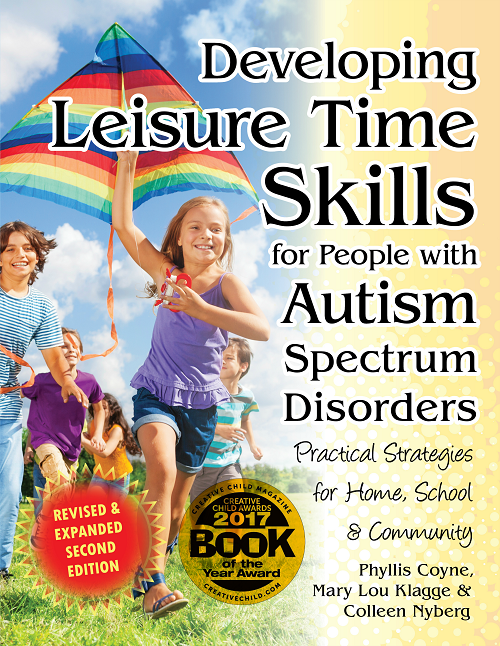 Make leisure time fun for all children and adults with autism spectrum disorders! Leisure time should be a part of the day that all look forward to enjoying, but for many it can cause anxiety and fear. This book provides comprehensive, structured strategies to introducing meaningful leisure time to ASD children and adults, which they can practice at home, school, and in the community.
 -
 The FIRST children’s book by these two authors, Temple Did It and I Can Too! will help guide and inspire kids to reach their full potential. Winner of a 2015 Academic’s Choice Award, this book explains the obstacles Dr. Temple Grandin faced while growing up, the the rules she followed to overcome them, and her path to become a leading animal scientist and a world-famous advocate for those with autism. This colorful, hardcover book even includes worksheets for kids to identify and reach their goals!
 -
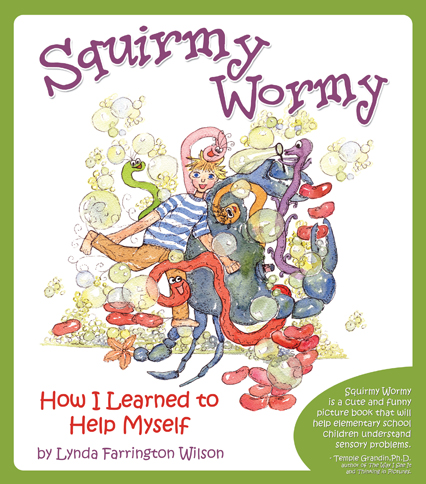 Many kids have some form of SPD (Sensory Processing Disorder), but who can help them overcome their daily struggles? Wait! They can help themselves! Lynda Farrington Wilson, along with Tyler and some delightful illustrations, help kids help themselves through daily life like no one has before with some great everyday tips and techniques.
 -

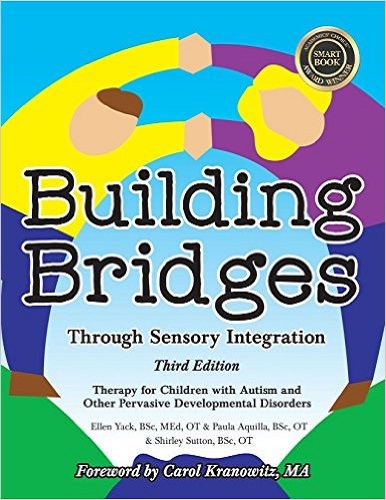 Written by three experienced occupational therapists, this book offers a combination of theory and strategies. It is a perfect tool for those working with young children, but also broad enough to be adapted for older children and adults.
 -
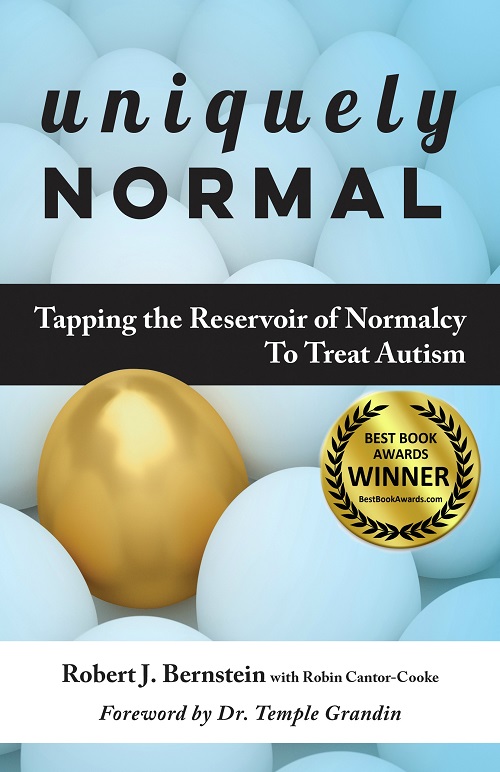 Author Robert J. Bernstein has found a different approach based on cognition thinking in helping people of all ages with ASD. Rob’s goal is for people with ASD to be able to live in the world and connect with the people in it as themselves, to express their unique humanity and engage more fully in the human interactions that give life meaning and make it worth the effort of getting out of bed every day. He believes that whatever he does therapeutically must be on the ASD individual’s terms; he or she must lead.
