-
Sale!
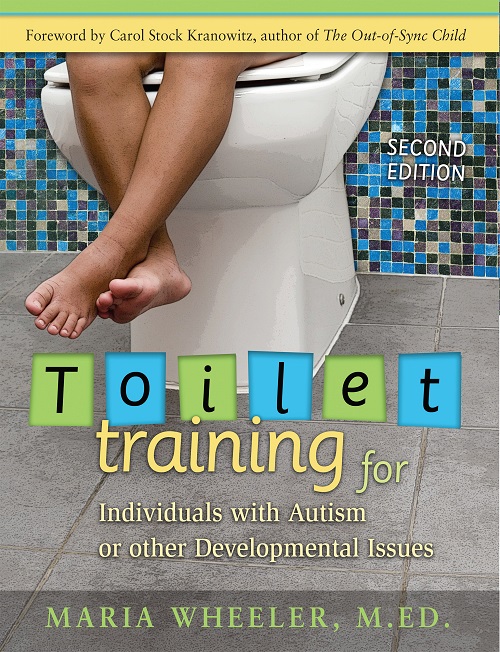 In this book, Maria Wheeler offers a detailed roadmap for success. She stresses the importance of visual cues, such as picture schedules representing the steps of the toileting routine.
 -
 3rd Edition Revised and Updated
 -
Sale!
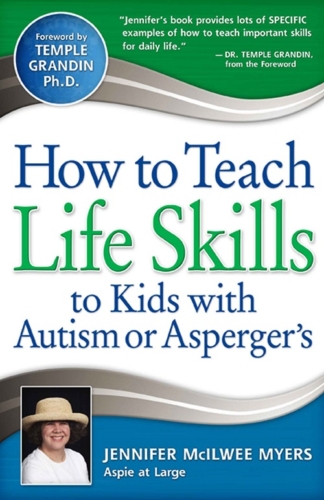 In the real world, people on the autism spectrum need the same kinds of day-to-day skills everyone else needs to be functional! It’s true. No matter how high-functioning children with autism or Asperger’s may be or may become, they function better as adults if they’ve had the chance to learn basic skills, from being on time to good personal hygiene.
 -
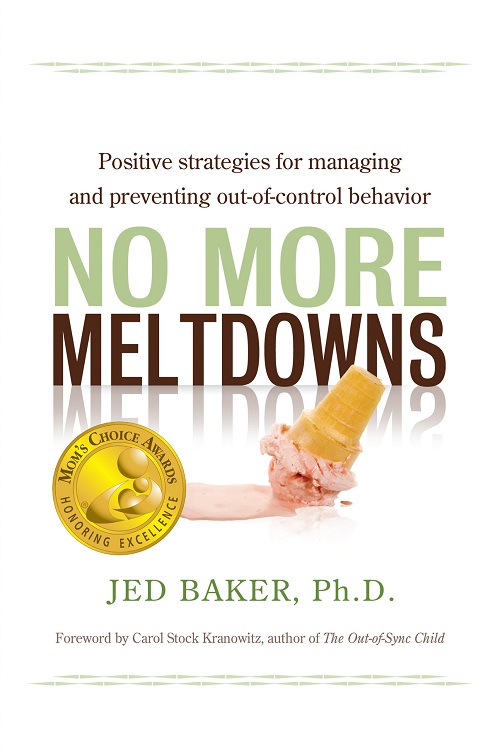 It could happen anywhere: at the grocery store, at a restaurant, at school, or at home. Meltdowns are stressful for both child and adult, but Dr. Baker can help! Author of the award-winning Social Skills Picture Book series, Dr. Jed Baker offers parents and teachers strategies for preventing and managing meltdowns.
 -
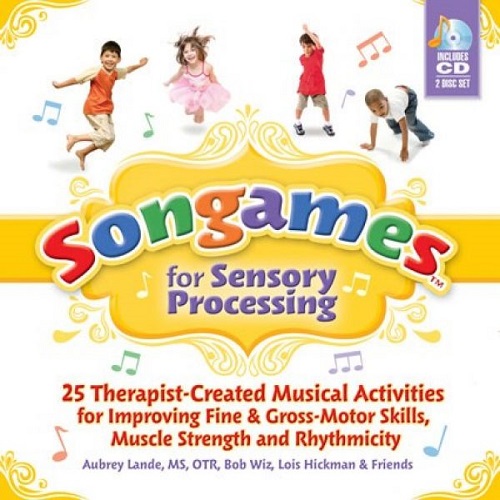 These 25 therapist-created Songames offer a world of developmental play activities. Plus, the 53-page companion booklet explains how to use music to enhance specific skills, provides a comprehensive list of resources, and triples the number of therapeutic ways to use the games!
 -
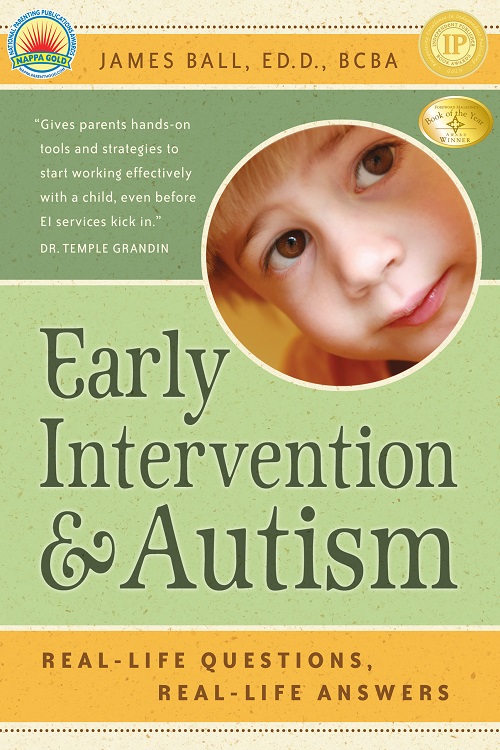 Leave behind confusing textbooks and unreliable websites. This book will guide you through your child’s early years by providing sound advice based on over twenty years of experience. In an easy-to-read, question-answer format, Dr. Jim Ball explains what makes your child tick, how to get the most out of early intervention services, and how to choose the most effective treatment options.
 -
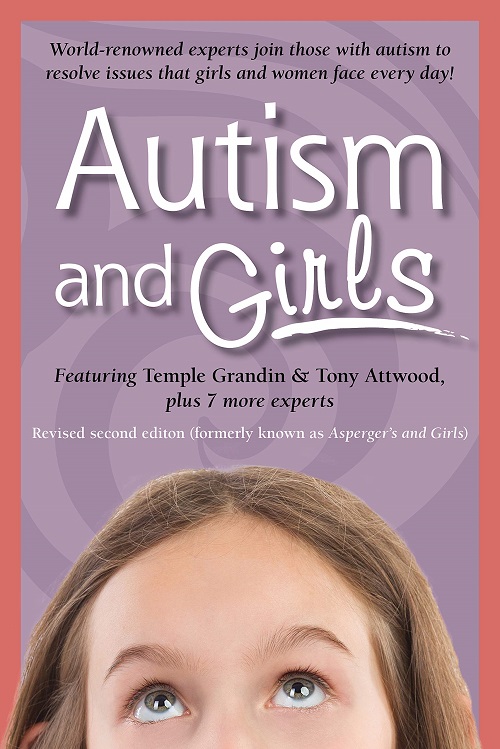 The revised and updated edition of the groundbreaking book Asperger’s and Girls describes the unique challenges of females on the autism spectrum. In it, you’ll follow the lives of women with autism through childhood, the social and academic challenges of the education system, and into the career and dating worlds.
 -
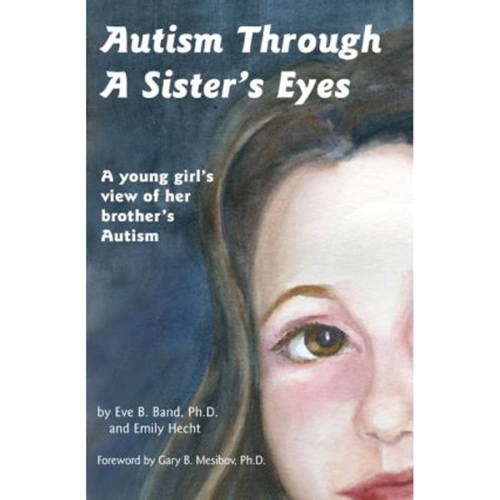 Valuable information for parents and siblings.
 -
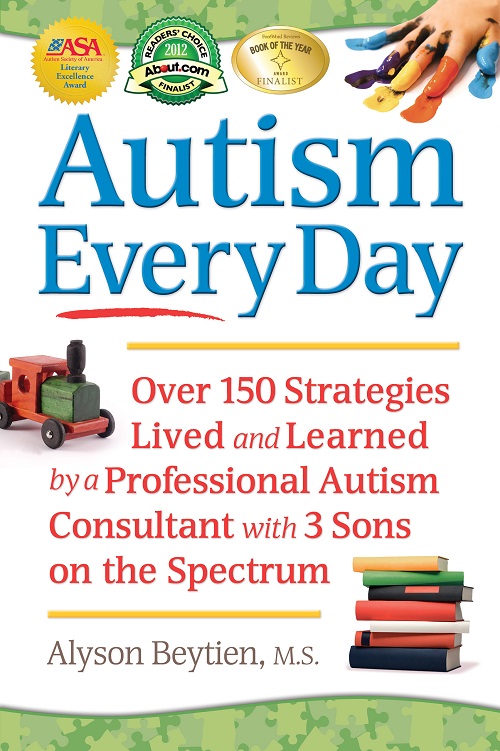 Autism Every Day is a balance of practical ideas, creative interventions, and strategies that seek to inspire and inform all those who are connected to a person with autism.The author’s three sons cover the entire spectrum of autism—Asperger’s Syndrome, high-functioning autism, and classic autism.
 -
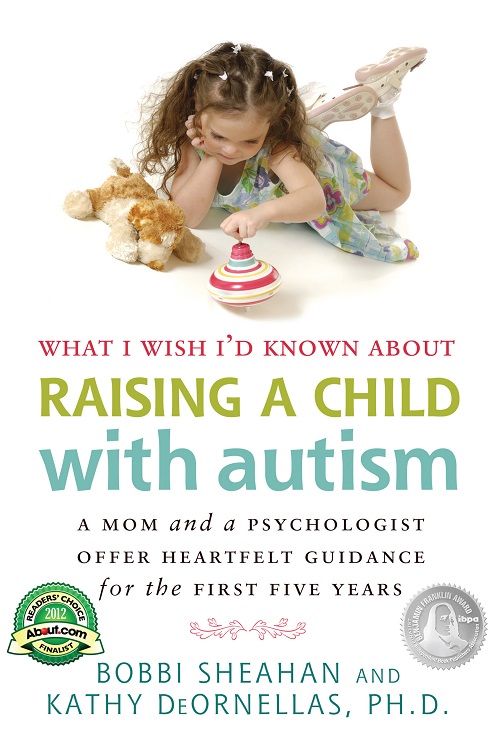 Bobbi Sheahan, mother of a child with autism, and psychologist Kathy DeOrnellas, Ph.D., did not write this book to lecture you on how to parent your child. Instead, they offer themselves as your scouts in the field, who have valuable information to share from the moment you realize your kid is different (My, what a quiet baby I have!), to the self-righteous moms on the playground, to holding your marriage together and the realm of routines.
 -
 Temple’s primary mission is to help people with ASD and ADHD tap into their hidden abilities. Temple chose contributors from a wide variety of skill sets to show how this can be done. Each individual tells their own story, in their own words, about their lives. From relationships, bullying, making eye contact, honing social skills, and eventual careers, these stories have something everyone can learn from.
 -
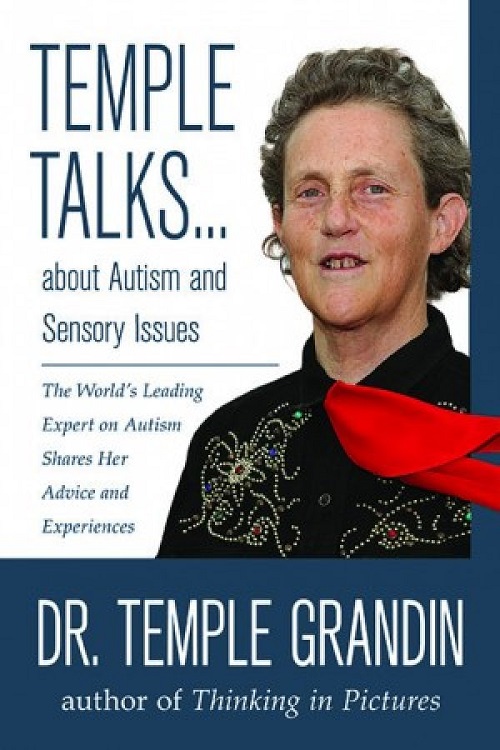 Winner of a 2015 Academic’s Choice Award, this is your pocket guide to Temple Grandin; a great introduction to her thoughts and advice on both autism and sensory issues! Dr. Temple Grandin is a doctor of animal science, a professor at Colorado State University, a best-selling author, an autism activist, and a consultant on animal behavior. She also invented the “squeeze machine,” a device to calm the sensory systems of those on the autism spectrum.
 -
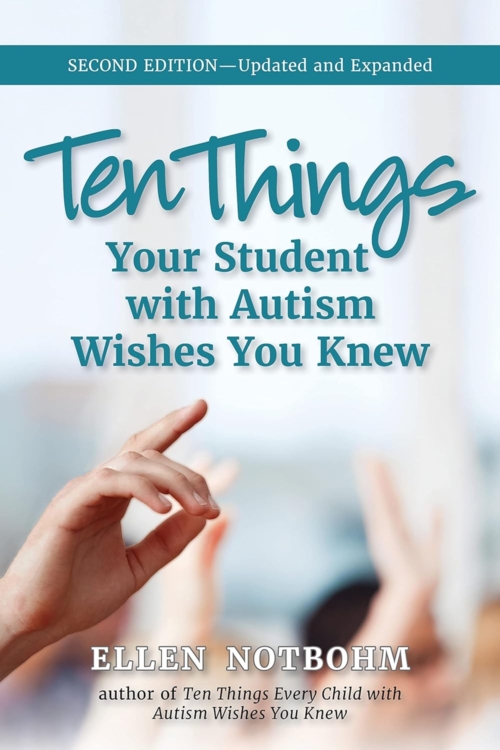 Updated and Expanded, 2nd Edition
 -
Sale!
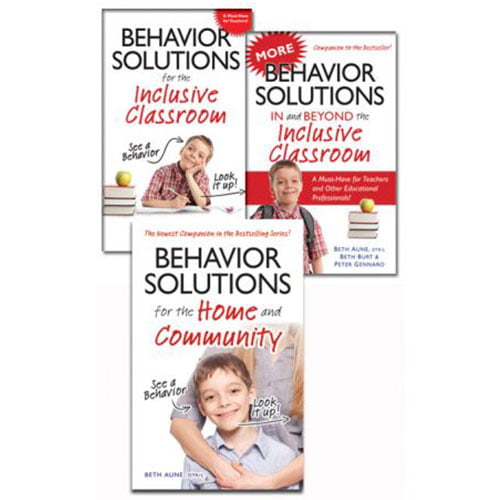 Behavioral solutions
 -
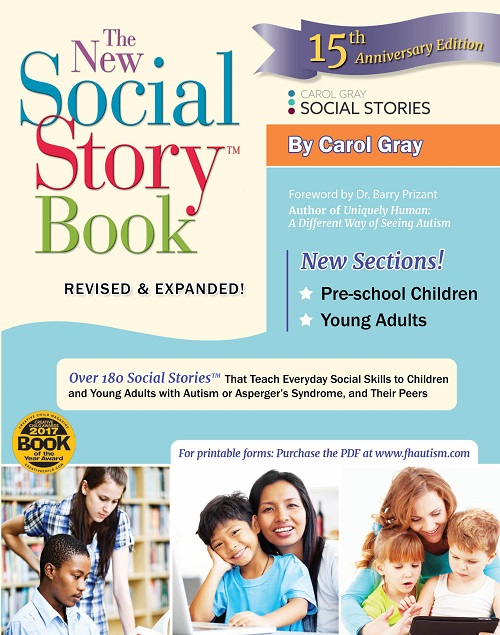 Since the early ‘90s, Carol Gray’s world-famous Social Stories have helped thousands of children with autism spectrum disorders. This 15th Anniversary Edition of her best-selling book offers ready-to-use stories that parents and educators have depended on for years—with new sections added! Additions include how to most effectively use and apply the stories, how to improve the lives of younger children, and Social Stories for teens and adults with autism.
 -
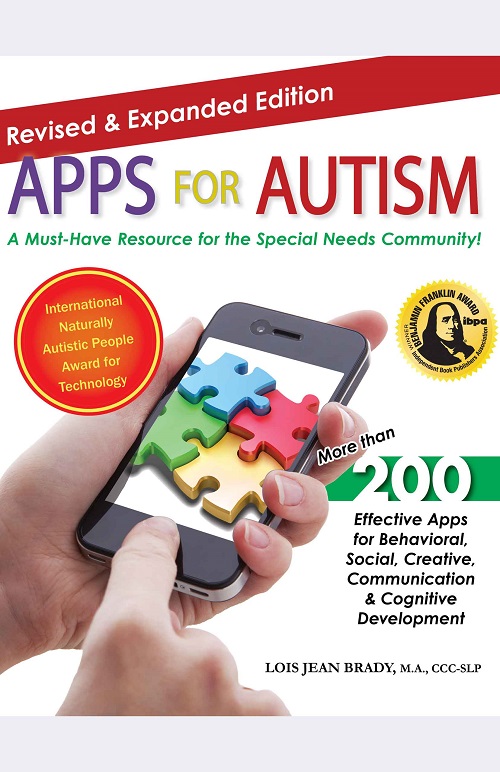 Actually, there are more than 200 apps for autism. This book will guide you through them, so you can confidently utilize today’s technology to maximize your child or student’s success! Speech Language Pathologist Lois Jean Brady wrote this book to educate parents, teachers, and other professionals about the breakthrough method she calls “iTherapy”—the use of Apple products (iPhone, iPad, iPod Touch) and various apps to meet students’ individual educational goals.
 -
 Born with autism, both Temple Grandin and Sean Barron now live famously successful social lives. However, their paths were quite different. Temple’s logical mind controlled her social behavior. She interacted with many adults and other children, experiencing varied social situations. Logic informed her decision to obey social rules and avoid unpleasant consequences. Sean’s emotions controlled his social behavior. Baffled by social rules, isolated and friendless, he made up his own and applied them to others. When they inevitably broke his rules, he felt worthless and unloved.
 -
 Preparing for Life guides readers through the legal, financial, educational, vocational, and community resources available after graduation.
 -
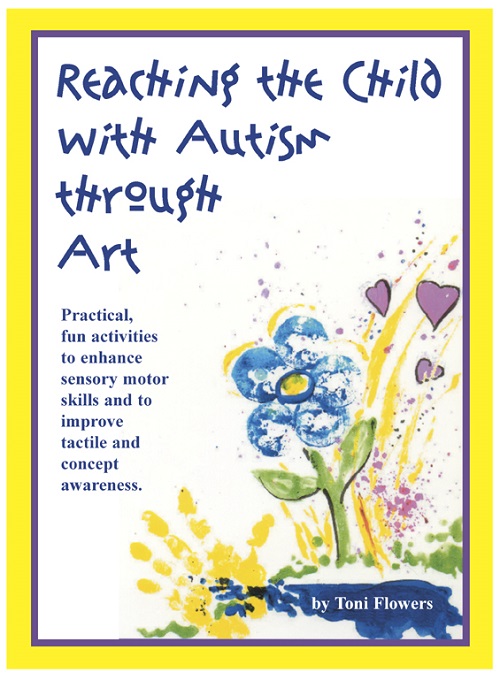 It is no secret that the arts are often underestimated when it comes to education. But author Toni Flowers knows better. Art encourages communication, positive self-image, concept development, spatial relationships, fine-motor skills, and many more facets of healthy child development.
 -
 Puberty can be especially tough when young people have autism or other special needs. Through simple stories similar to Carol Gray’s Social Stories, author Mary Wrobel teaches caregivers exactly what to say and not say, and shows how you can create helpful stories of your own.
 -
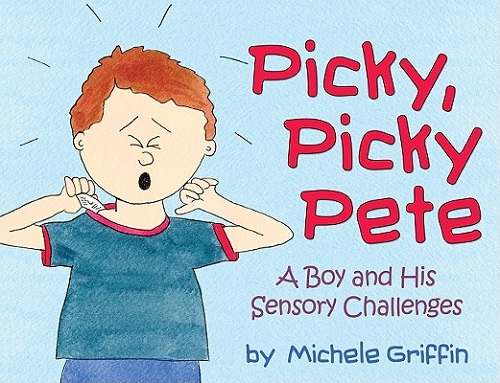 Written by Michele Griffin, an occupational therapist, this picture book is a must for any child with sensory processing disorder. Pete finds his clothes uncomfortable and can’t stand “paint, soap, and things with lumps.” He explains this to his mother and the reader in this fun children’s book, as he and his mother navigate a difficult morning in the life of a young boy with sensory issues.
 -
 Music therapy is the use of music to address non-musical goals. More and more parents and professionals are finding that music can break down barriers for children with autism in areas such as cognition, communication, and socialization.
 -
 Reading provides personal enjoyment, access to information, and opens doors to opportunities throughout life, both recreational and occupational. Reading helps us grow and vicariously experience things we are curious about, and dream about.
 -
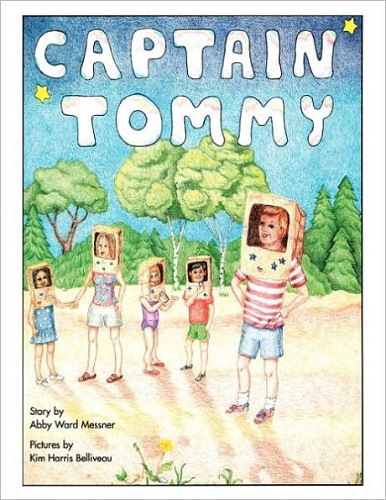 More than a delightful story, Captain Tommy teaches understanding and kindness. Tommy goes to “”space camp”” and meets John, a boy who seems “”spaced out”” and different from other children. The camp counselor makes Tommy the captain of the spaceship, and gives him the job of getting John to interact with the other space-kids.
 -
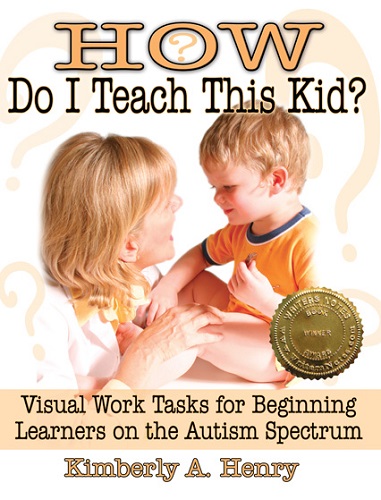 First Runner-Up in the 2006 Writer’s Notes Book Awards, this book utilizes the strengths of children with ASD to help them develop new skills. Tasks are visually oriented, consistent; expectations are clear.
 -
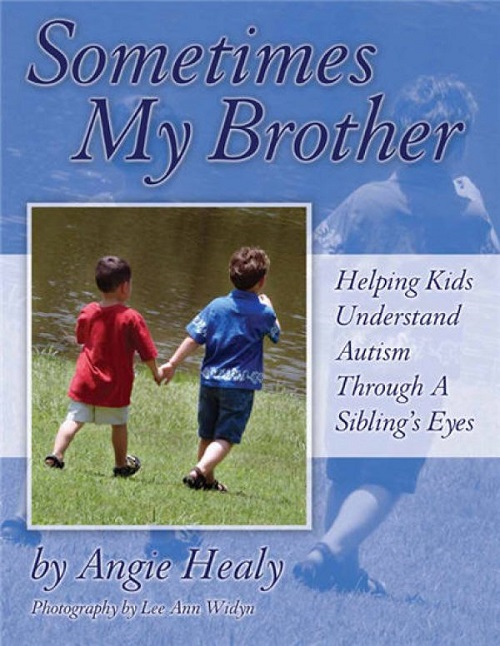 This adorable picture book shows readers the challenges that children with autism face and the obstacles they overturn. It is lovingly written in the perspective of three-year-old Foster, who explains his experiences with his older brother, Gavin, who has autism.
 -
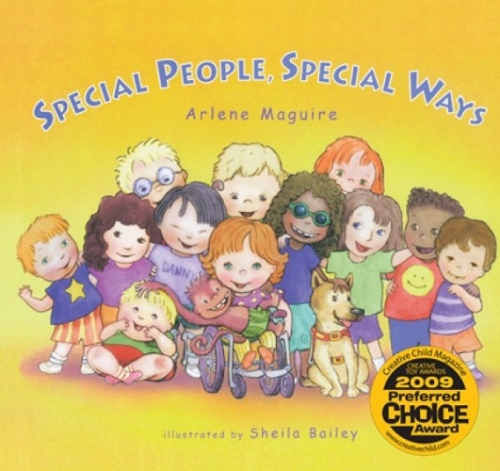 Arlene Maguire’s delightful rhymes combine with Sheila Bailey’s rich watercolor illustrations to take the reader on a journey of discovery. Each page portrays positive images of children with various disabilities. Winner of an iParenting Media Award and 2009 Preferred Choice Award by Creative Child Magazine, this book illustrates that beyond our physical limitations is a world of unique gifts for each of us to share.
 -
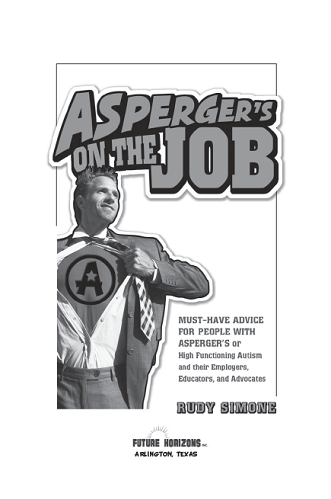
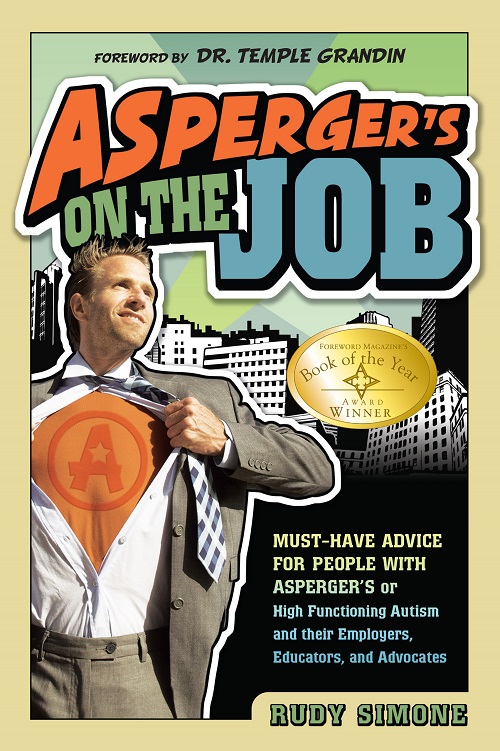 Rudy Simone, an adult with Asperger’s Syndrome and an accomplished author, consultant, and musician, created this insightful resource to help employers, educators, and therapists accommodate this growing population, and to help people with Asperger’s find and keep gainful employment.
 -
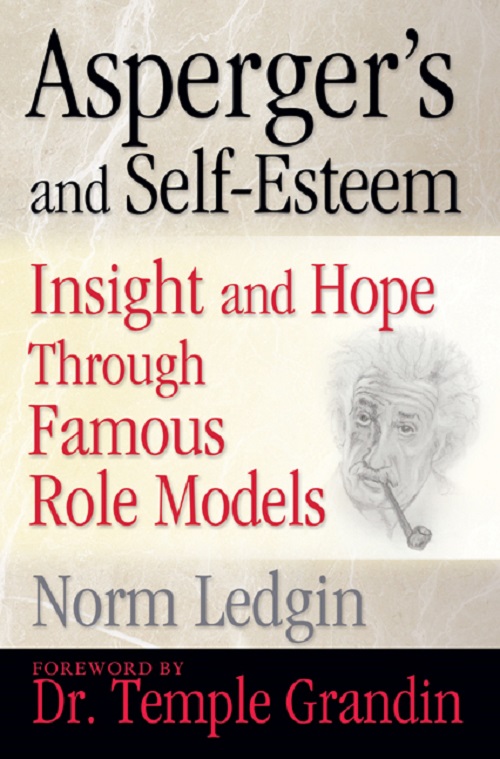 From composer Amadeus Mozart to astronomer Carl Sagan, Ledgin examines the evidence of Asperger’s Syndrome in some of history’s most famous men and women and shows how, despite their apparent challenges, each made an immeasurable contribution to the world. A great book to raise the self esteem of those with Asperger’s.
 -
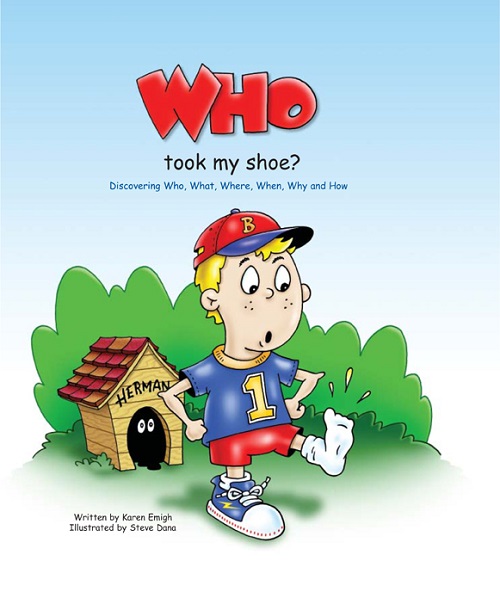 Brett and his dog Herman embark on a search for Brett’s mysteriously missing shoe. They playfully and methodically ask questions, such as Who took it? What happened to it? How can I find my shoe? The answers are pretty hilarious, until Brett finally asks the right one, and discovers his shoe in a most unlikely place! Although written to teach the concepts of who, what, where, why, when and how questions for children on the autism spectrum, Who Took My Shoe? will teach, entertain, and delight all youngsters.
 -
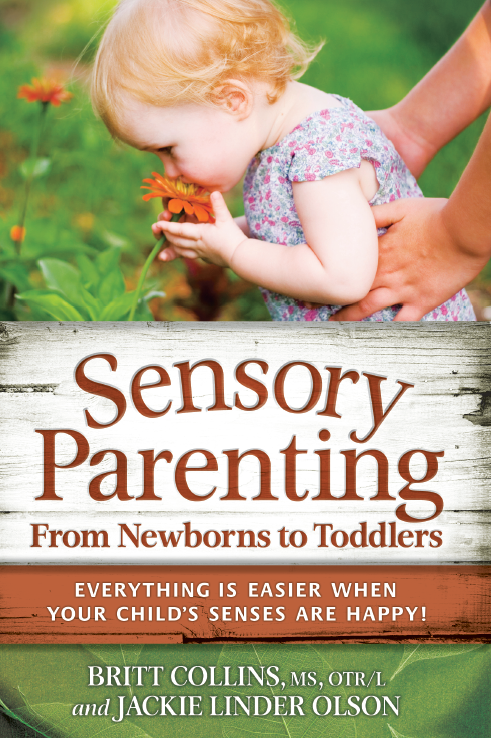 A child’s sensory system affects their ability to learn, play, socialize, and function. Maybe a child isn’t able to sit still in class because his shirt tag is bothering him, or isn’t able to play with other children because his balance is off. Maybe your child isn’t just a picky eater, it could be that his sensory system needs some special guidance and adjusting.
 -
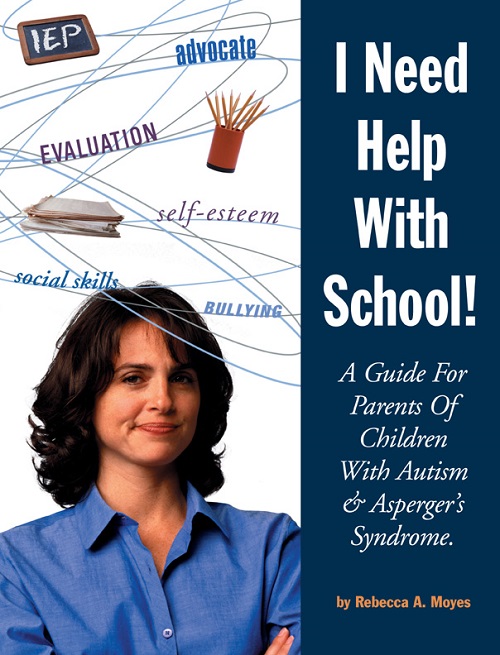 Specifically written for parents of children with autism or Asperger’s Syndrome, this guide demystifies special education laws to help them understand their legal rights and the rights of their child. Moyes also addresses such issues as developing a child’s social skills, encouraging self-esteem, and dealing with teasing and bullying.
 -
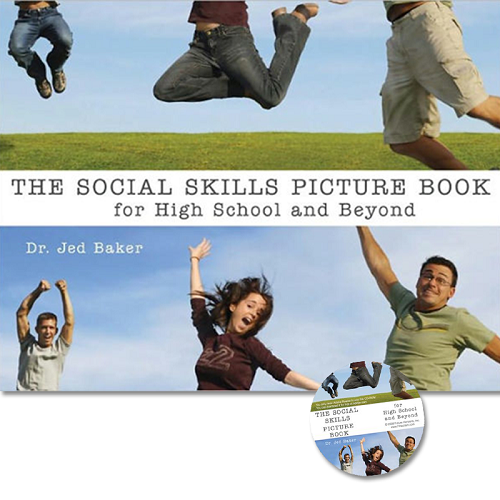 Winner of an iParenting Media Award, this picture book appeals to the visual strengths of students on the autism spectrum, with color photos of students demonstrating various social skills in the correct (and sometimes incorrect) way. The skills depicted are meant to be read, role-played, corrected when necessary, role-played some more and, finally, to be practiced by the student in real-life social situations. “Thought bubbles” show what people are thinking during these interactions (not always what you hoped!).
 -
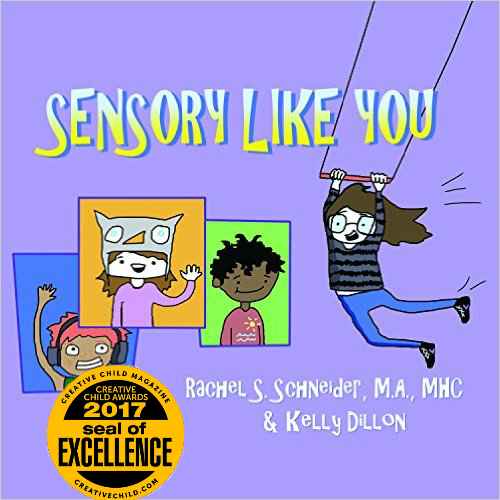 In this illustrated book for children ages six through nine, and based on the article, How One Adult With SPD Wants to Explain this Condition to Your Sensory Child , SPD adult advocates Rachel and Kelly will lead kids and their parents through the basic ins-and-outs of what it means to have Sensory Processing Disorders(SPD).
 -
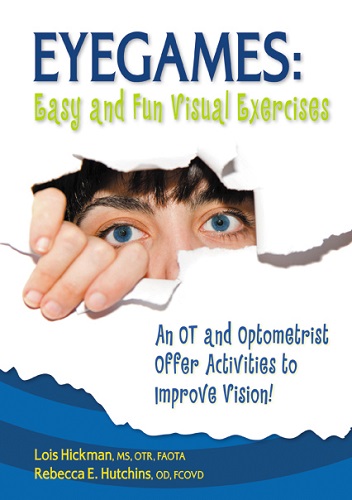 Developing healthy visual-motor abilities is more difficult in the complex stimulus of today’s world than ever before, especially for those with Autism Spectrum Disorder. Our visual experiences can be overwhelmed by the vast complexity of artificial colors and sounds which did not exist in our ancestors’ lives. Much more time is spent indoors, exposed to a myriad of unnatural colors, movement, and imagery.
 -
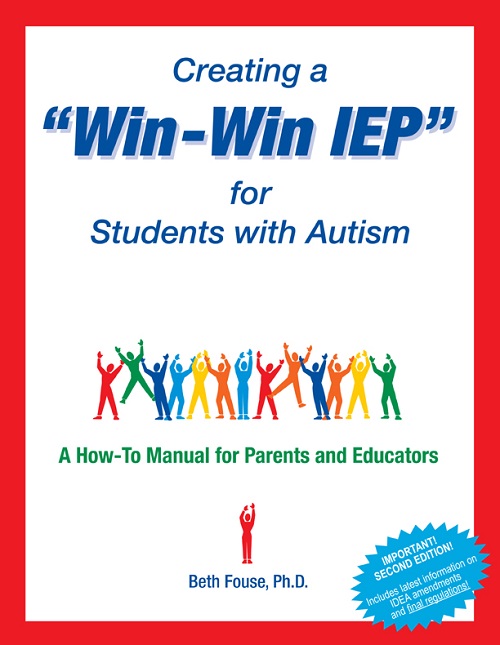 This book is a must-read for every parent or educator who participates in the IEP process. Dr. Fouse takes readers through the entire range of a “child-centered” educational process, from the initial stages of identification and diagnosis to full implementation and monitoring of the individualized education program.
 -
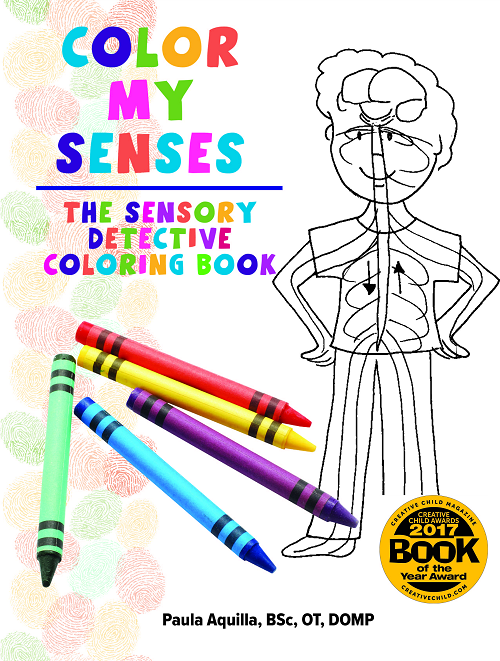 Children can learn about their own sensory processing through a variety of practical examples in this coloring book. They’ll learn how they are processing sensations throughout the day and gain an awareness and appreciation of their marvelous nervous system!
 -
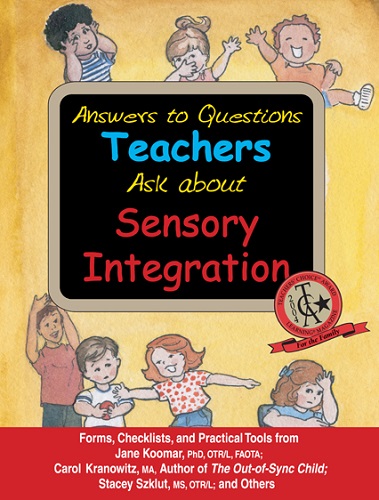 With up to 20% of the students in any given classroom affected by Sensory Integration Disorder, Answers to Questions is an invaluable resource for teachers of pre-school through high school.
 -
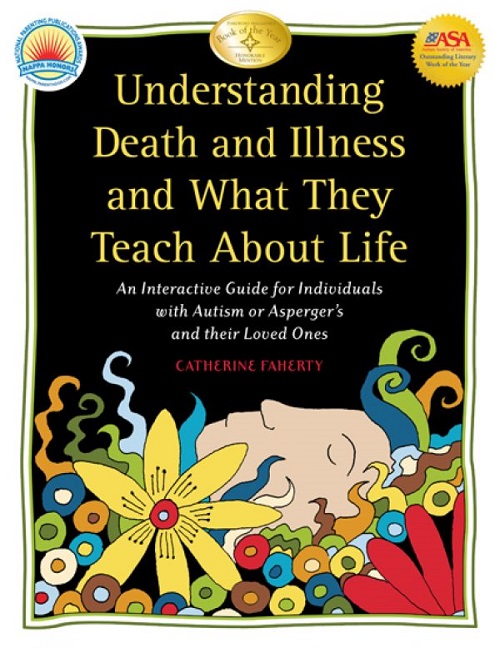 Death and illness affect every person. Witnessing the dying and death of a person or pet can leave you with many questions. In this book, author Catherine Faherty answers those questions in an autism-friendly, clear and precise way, geared for children, teens, and adults with autism. But this book is not just about death. It also demonstrates the interconnectedness of living and dying and offers simple, positive guidelines for living. Communication Forms to make it easier for the readers and their families, friends, teachers, therapists, or others to identify and respond to the unique needs of the reader.
 -
 In the beloved classic book The Way I See It, Dr. Temple Grandin gets to the REAL issues of autism―the ones parents, teachers, and individuals on the spectrum face every day. In this updated fifth edition, Temple offers helpful dos and don’ts, practical strategies, and try-it-now tips all based on her insider perspective and a great deal of research.
 -
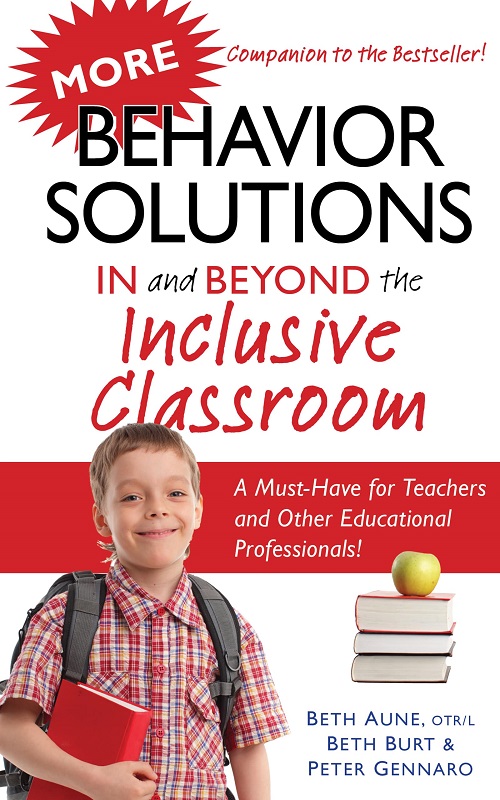 Now more than ever, states are mandating that children with special needs be included in the general education classroom. As a result, all educational professionals, from teachers to administrators, need specific training on how to handle unusual behaviors.
 -
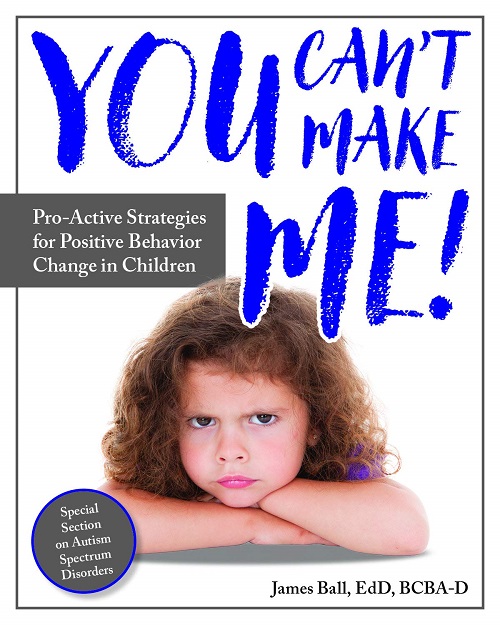 Behavior isn’t an isolated event. All behavior is communication, and when it comes to figuring out what your child is trying to say, Dr. Jim Ball has the answers. This book walks the reader through a variety of scenarios that will explore why a child may engage in a specific behavior, and help you build your “behavior-investigator” skills to develop a behavior plan that works.
 -
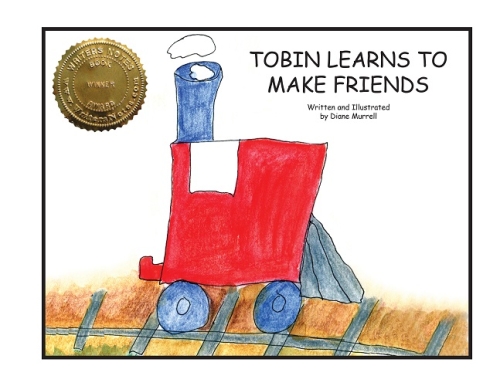 Join Tobin as he learns how to be a good friend! Tobin is a lonely red engine who cannot seem to make friends. But with the help of his buddies, he discovers that there are little things he can do to be nicer to those around him. Tobin soon finds that he is surrounded by friends who truly enjoy working and playing with him. Parents and teachers can use this book to teach friendship skills to children who find social interactions challenging.
 -
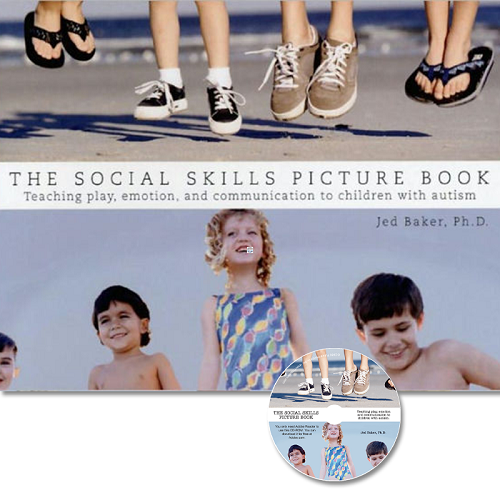 This book uses photographs of students engaging in a variety of real-life social situations. The realistic format plays to the visual strengths of children with ASD to teach appropriate social behaviors. Color photographs illustrate the “right way” and “wrong way” to approach each situation—and the positive/negative consequences of each. An adult then explains each situation, asking questions such as, “What is happening here?“ Children can role-play skills until they are confident enough to practice them in real life interactions.
 -
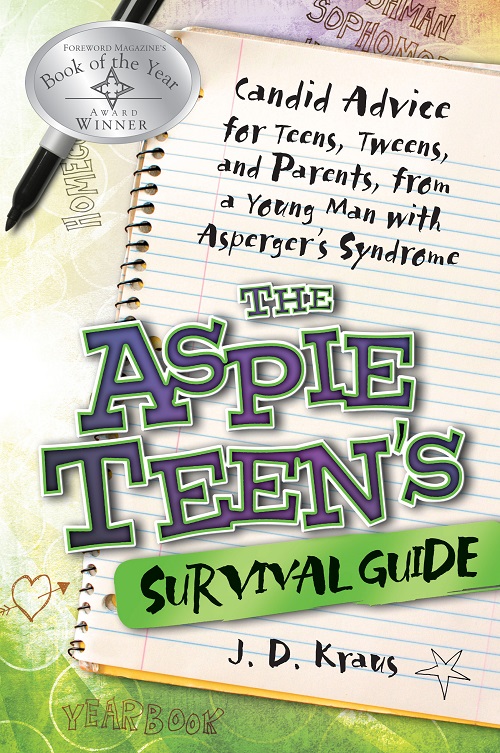 The teenage years are a time when being social is the #1 priority for kids. But for kids with Asperger’s, who have acute social challenges, these years can be the most difficult, confusing time in their lives. Enter J. D. Kraus, a young man who has been there, done that! He offers practical advice to his peers so they can get the most out of middle school and high school, both academically and socially. From sensory sensitivity to awkwardness, dating to driving, he tackles it all!
 -
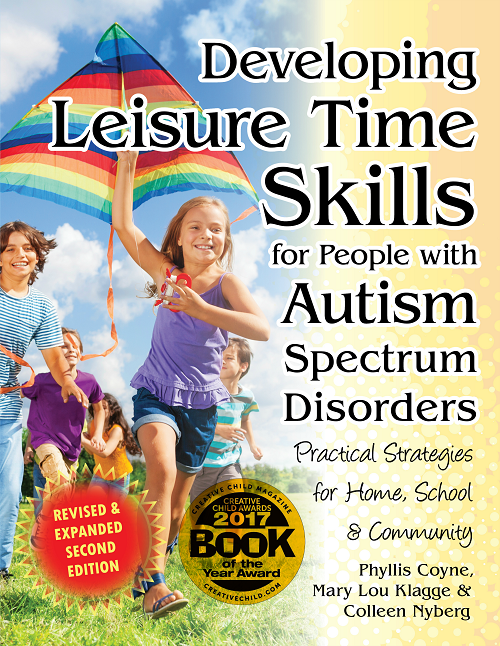 Make leisure time fun for all children and adults with autism spectrum disorders! Leisure time should be a part of the day that all look forward to enjoying, but for many it can cause anxiety and fear. This book provides comprehensive, structured strategies to introducing meaningful leisure time to ASD children and adults, which they can practice at home, school, and in the community.
 -
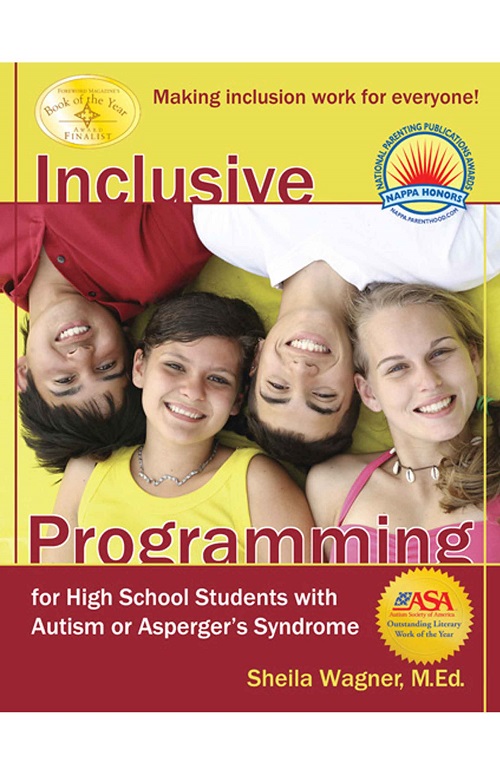 Even though inclusive education is now the standard for educating students with special needs, inclusion is a still a very new process. Successful inclusion relies on flexibility of parents and educators, and their ability to work together for the sake of the student. Training, collaboration, specialized teaching, long-term planning, and a clear idea of the desired outcome for the student—these are just as important at the high school level as they were in elementary and middle school.
 -
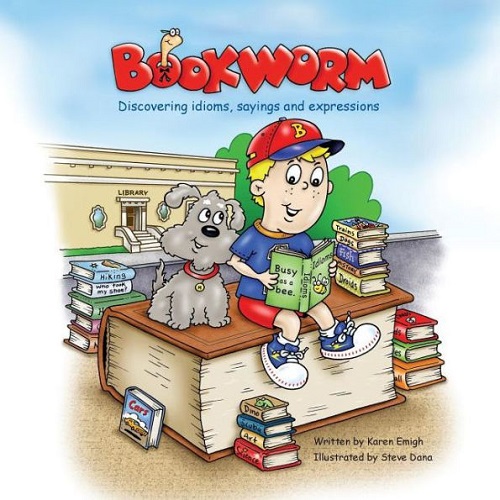 This third book in Emigh’s series featuring Brett, and his helpful dog, Herman, introduces young readers to a world of idioms. Playful dialogues, clear explanations, and colorful images make figurative language understandable and fun. Full color.
 -
 Winner of the 2000 Oppenheim Toy Portfolio SNAP Award and Dr. Toy’s Best Vacation Children’s Products, 28 Instant Songames is great fun for typical children as well as those with special needs!
 -
 The main objective of this book is to assist young individuals with Asperger’s and Autism to overcome the big leap from high school to life outside of public education. The time right after high school can be a very frightening experience. What a person decides from this point on ultimately affects the rest of his or her life.
 -
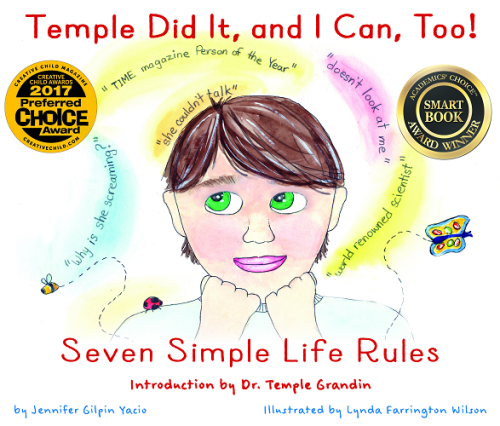 The FIRST children’s book by these two authors, Temple Did It and I Can Too! will help guide and inspire kids to reach their full potential. Winner of a 2015 Academic’s Choice Award, this book explains the obstacles Dr. Temple Grandin faced while growing up, the the rules she followed to overcome them, and her path to become a leading animal scientist and a world-famous advocate for those with autism. This colorful, hardcover book even includes worksheets for kids to identify and reach their goals!
 -
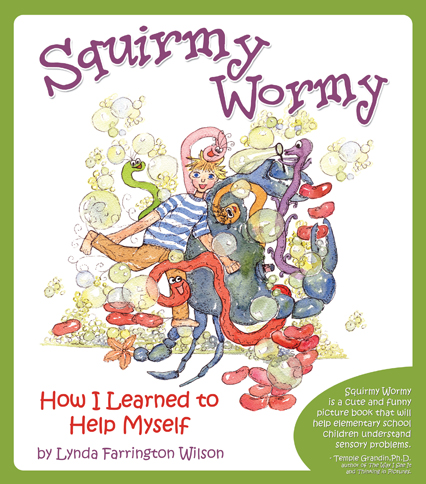 Many kids have some form of SPD (Sensory Processing Disorder), but who can help them overcome their daily struggles? Wait! They can help themselves! Lynda Farrington Wilson, along with Tyler and some delightful illustrations, help kids help themselves through daily life like no one has before with some great everyday tips and techniques.
 -
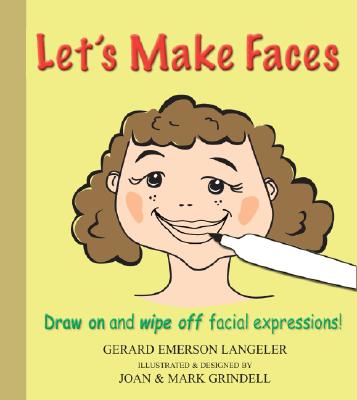 Feelings can be so confusing. Just when kids begin to understand their own emotions, they are expected to understand what other people are feeling, too. This book will help children identify various facial expressions and the feelings behind them.
 -
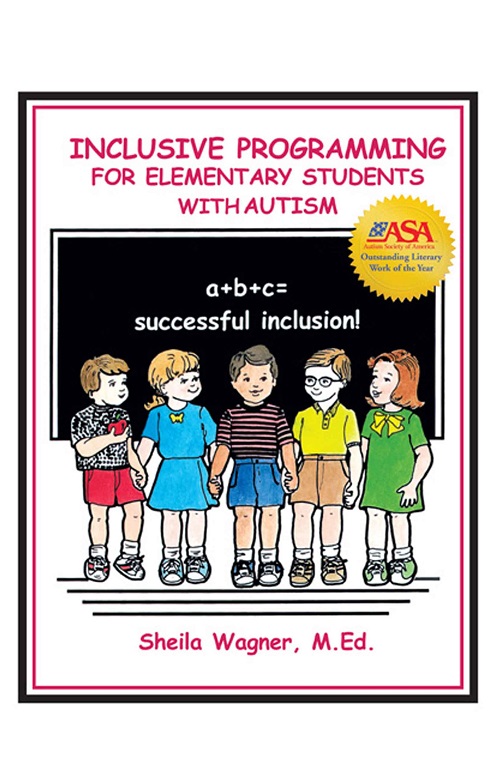 Winner of the Autism Society of America’s Literary Work of the Year Award, this first book in Sheila Wagner’s Inclusive Programming series provides an inclusion program for students with autism spectrum disorders. Teachers, parents, and students alike will benefit from Sheila’s insight and presentation as she outlines both theories and applications of inclusive programming for elementary school students.
 -
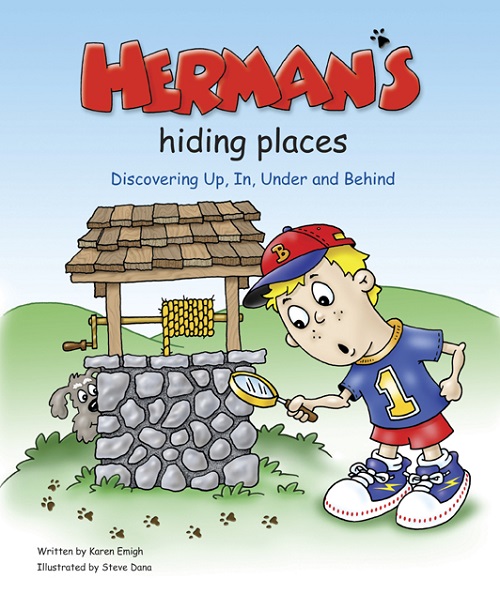 Karen Emigh’s son Brett—the “star” of all three of her books—was diagnosed with autism when he was six. Each book teaches a part of language that children on the autism spectrum often struggle with. In Herman’s Hiding Places, she teaches the concepts behind prepositions. Brett and his dog Herman play hide-and-seek, and Herman is “it.”
 -

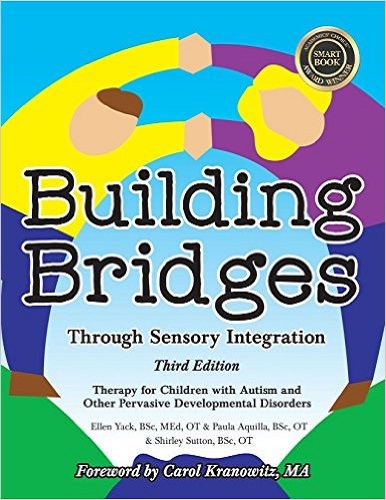 Written by three experienced occupational therapists, this book offers a combination of theory and strategies. It is a perfect tool for those working with young children, but also broad enough to be adapted for older children and adults.
 -
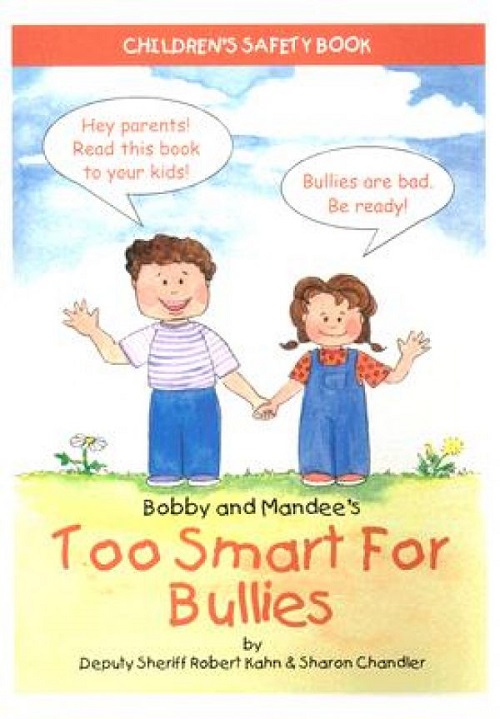 Bullies, Beware! This is a little book is going to have a big impact! In this moral-driven story, Mandee tells big brother Bobby how a bully took all her money. Bobby stresses that she needs adult help, and explains what to do if it happens again.
 -
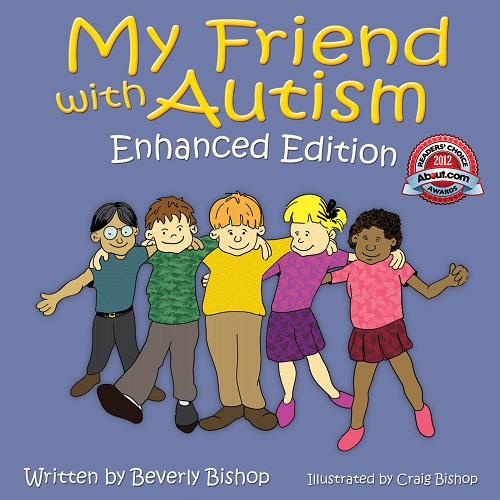 This book’s vivid illustrations and charming storyline will foster tolerance and understanding among peers, while the printable coloring pages will enlighten and engage learners!
 -
 As a popular advice columnist in the UK, Barbara Jacobs never suspected she’d be the one needing the relationship advice. But when she fell in love with Danny, a man with Asperger’s Syndrome, she quickly learned to expect the unexpected. In this book, Barbara candidly delves into the dynamics of their relationship.
 -
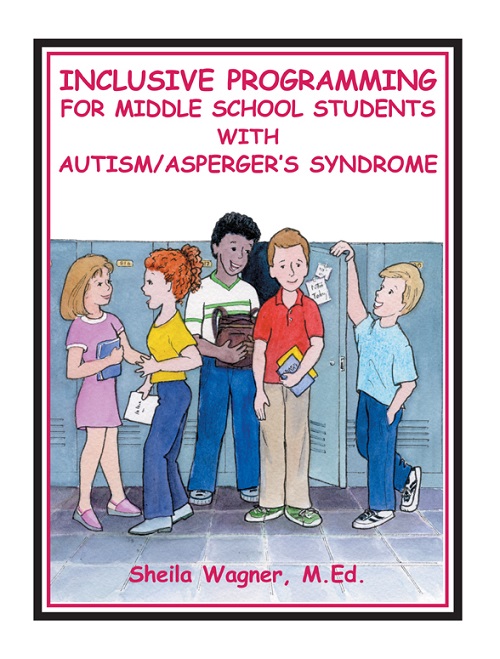 Middle school presents unique challenges to those with autism / Asperger’s, but it can also be exciting and rewarding. Inclusive Programming addresses transitioning to and from middle school, and everything in between: hormones, cliques, bullying, aggression, and “fitting in.” The ingredients for success are pre-planning, frequent monitoring of progress, teacher training, and regular communication between all concerned.
 -
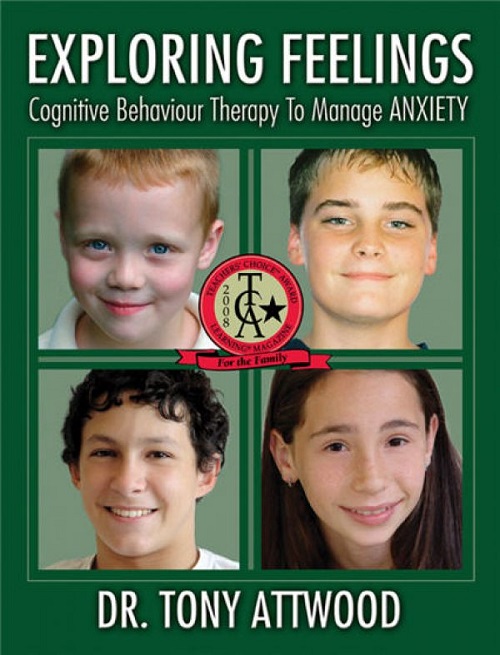 Anxiety can be debilitating for anyone, but it can be especially confusing for a child. Learning about emotions helps children recognize connections between thinking and feeling, and the physiological effects of anxiety on the body (sweating, increased heart rate, crying, etc.).
 -
 Author Robert J. Bernstein has found a different approach based on cognition thinking in helping people of all ages with ASD. Rob’s goal is for people with ASD to be able to live in the world and connect with the people in it as themselves, to express their unique humanity and engage more fully in the human interactions that give life meaning and make it worth the effort of getting out of bed every day. He believes that whatever he does therapeutically must be on the ASD individual’s terms; he or she must lead.
 -
 When sensory processing is impaired, lights can be too bright, sounds too loud, and clothes can actually be painful on the skin. It can be practically impossible for children to tolerate their day, let alone learn in a classroom. In this book, with a foreword by best-selling special-needs author Carol Kranowitz, neuropsychologist Dr. Roya Ostovar helps parents to help their children.
 -
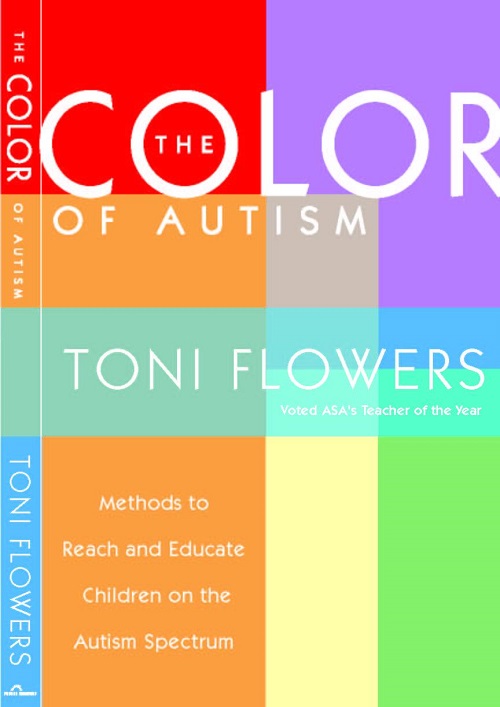 Voted “Teacher of the Year” by ASA, Toni Flowers invites readers to learn from, tweak, and refine the strategies she’s used during her quartercentury of teaching children with autism. Chockfull of great ideas, this book tackles some of the thorniest problems (runners, homework, screamers, setting limits, aggression, etc.) facing teachers and parents. It will quickly become a goto book in your library!
 -
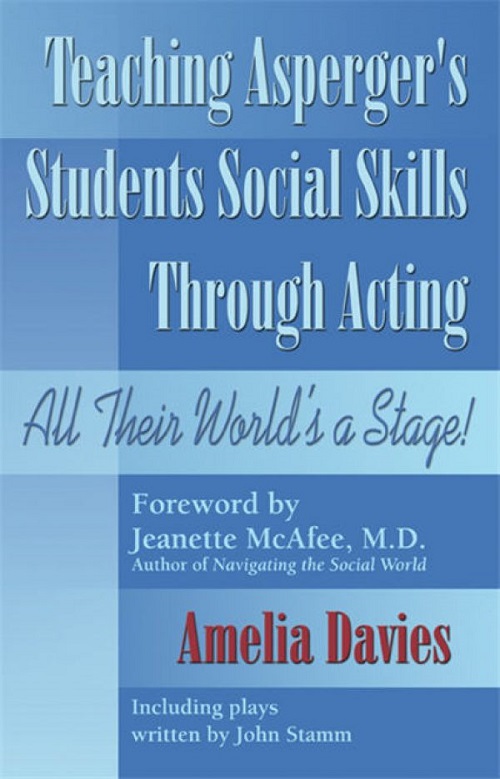 When given the chance, young people with Asperger’s can be the most charismatic actors that have ever hit the stage. In this guidebook, author Amelia Davies provides the theories and activities you’ll need to set up acting classes that double as social skills groups for individuals with Asperger’s or high-functioning autism. Included are acting exercises and plays that teach actors how to control and use body language, nonverbal communication, tone of voice, facial expressions, and movement, which are all important social skills.
 -
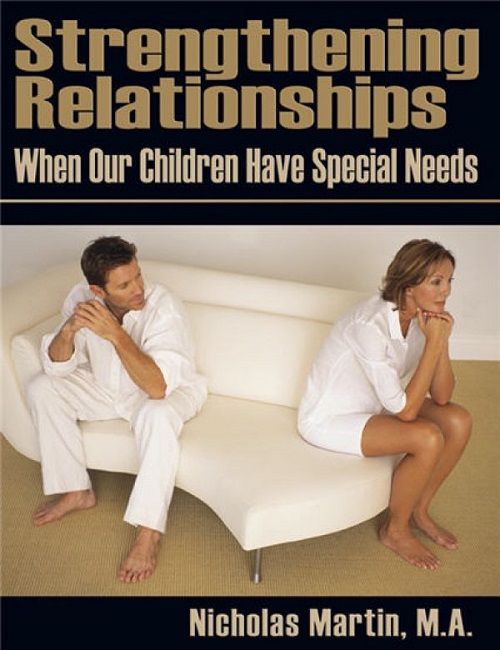 When there is a child with special needs in your family, it can be easy to overlook your own needs, desires, and dreams, or those of the ones you love. Long-awaited and much-needed, this book addresses the real-life impact a special needs child has on family relationships.
 -
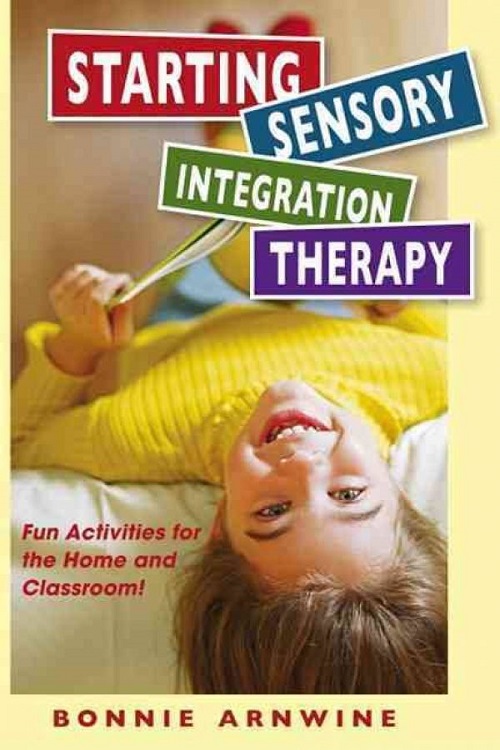 Starting Sensory Therapy offers 100+ activities and games for children with Sensory Processing Disorder (SPD). Parent of a son with SPD, author Bonnie Arnwine chose activities that require minimal time, money, and clean-up. Most “ingredients” are already on hand: empty yogurt cups, string, soap, flour, paper plates, etc.
 -
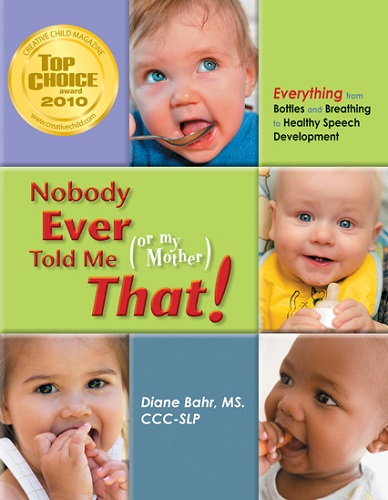 This fascinating new book fills a missing void in the child-rearing world. It explains everything from the basics of nursing to SIDS, to facial massage, and finishes with the secrets to good speech development and keys to enhancing your child’s best natural appearance.
 -
Now more than ever, states are mandating that children with special needs be included in the general education classroom. As a result, all educational professionals, from teachers to administrators, need specific training on how to handle unusual behaviors.
-
 Anne Addison was overwhelmed when she brought Jack home from the hospital. In those first few days, Anne had a vague intuition that something was not right. Two years later, Jack was diagnosed with Attention Deficit Hyperactivity Disorder, speech and language delays, sensory integration problems, and subsequently, was found to have Asperger’s Syndrome.
 -
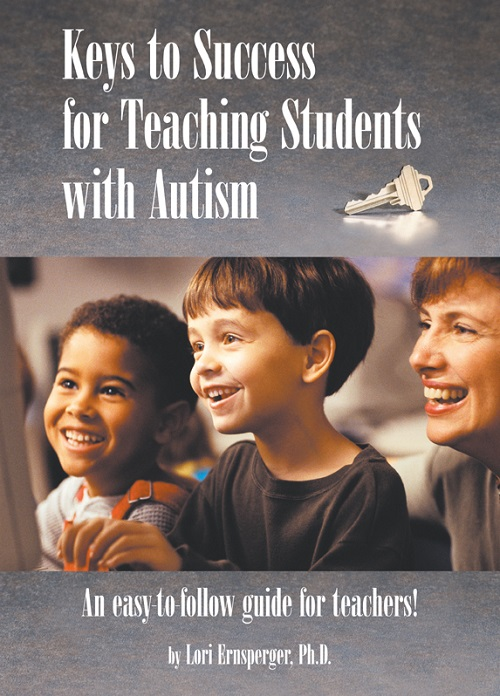 After more than 17 years of experience working with teachers struggling to implement an effective learning program for special needs kids, Dr. Lori Ernsperger decided it was about time someone created a comprehensive resource for practical use in the classroom. She wrote this book as a practical, step-by-step guide to educating students with autism.
 -
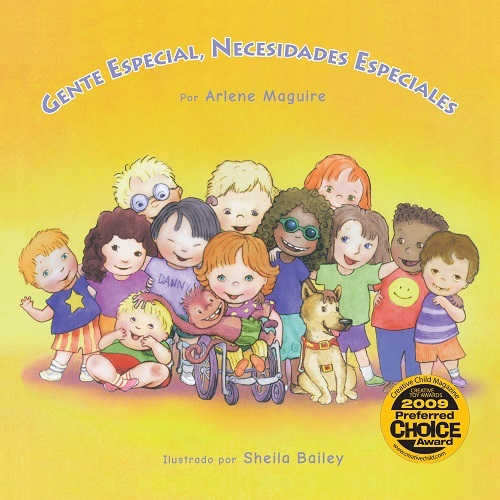 La encantadora rima de Arlene Maguire se combina con las vivas ilustraciones en acuarela de Sheila Bailey para llevar al lector en un viaje al descubrimiento. Más allá de nuestras limitaciones físicas existe un mundo de dones únicos para que cada uno de nosotros compartamos. Aunque nos veamos diferentes, somos iguales por dentro.
