Autism and Water Safety: What Every Family Needs to Know This Summer
Summer means pools, lakes, sprinklers, and backyard hoses — and for a lot of autistic kids, water is pure magic. The way it moves, catches light, and sounds can be deeply calming and genuinely joyful. But that same pull is also why water safety deserves extra attention in autism households, especially once the temperature climbs.
Why the Risk Is Higher
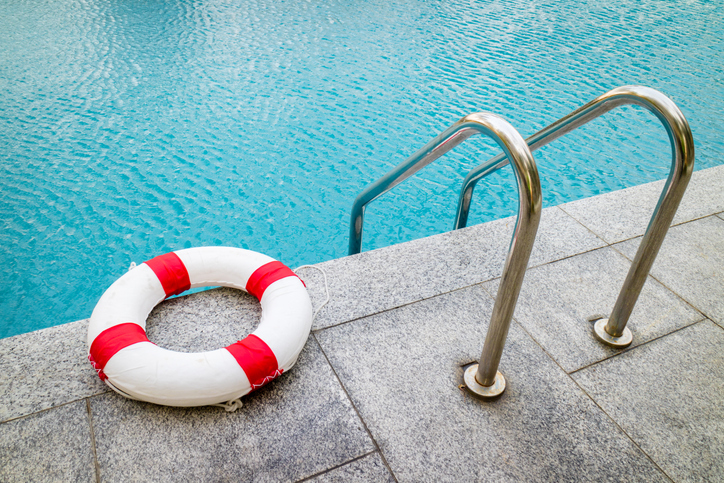
autism water safety
The numbers are sobering, and worth understanding rather than looking away from. Roughly half of autistic children engage in wandering or elopement behavior at some point — leaving a safe space without a caregiver’s knowledge. When wandering happens, water is disproportionately where it ends up going wrong: drowning accounts for the large majority of fatal wandering incidents in the autism community, and autistic children face a dramatically higher drowning risk than their peers. Drowning is currently the leading cause of death among autistic children under 14.
It’s not that autistic kids are careless. It’s a combination of things: a natural attraction to water’s sensory qualities, a limited sense of danger in some children, difficulty with impulse control, and — critically — a real gap in access to swim instruction, since traditional group swim lessons aren’t always built for how autistic kids learn or process instructions.
Building a Water Safety Plan That Actually Works
You don’t need to eliminate water from your summer to keep your child safe — you need layers of protection that work even on the days when supervision slips for a moment (because it will; that’s not a failure, it’s real life).
Secure the exits before you secure the pool. Door and window alarms, secondary deadbolts placed higher or lower than a child would expect, and clearly marked “stop” cues at exits all buy you precious seconds.
Fence the water, not just the yard. A pool fence with a self-latching gate that’s fully separate from the yard fence is one of the single most effective interventions — it means a child has to clear two barriers, not one, to reach water unsupervised.
Invest in swim instruction built for autistic learners. Look for instructors experienced with sensory needs, visual supports, and predictable routines. Water competency — even basic skills like floating, flipping onto your back, and getting to the pool edge — changes outcomes dramatically if a child does end up in water unexpectedly.
Use ID and tracking tools. A GPS wearable, a medical ID bracelet, or a laminated card with your child’s name, communication needs, and your phone number can be the difference between a fast recovery and a terrifying delay — especially for children who are nonspeaking or minimally verbal in high-stress moments.
Loop in your neighbors and first responders. Many police departments keep a registry for children who may wander, including a photo and communication notes on file. Neighbors who know your child may bolt toward water can help you search in the first, most critical minutes.
Rehearse “stop” and “wait” as safety skills, not just words. Visual supports, social stories, and consistent practice around pool and water edges can build the kind of automatic response that holds up even when a child is overstimulated or excited.
The First 10 Minutes Matter Most
If your child ever does go missing, check water first — pools, hot tubs, ponds, ditches, even a neighbor’s kiddie pool. Call 911 immediately and tell them your child has autism and may be drawn to water; that detail changes how search efforts are prioritized.
You’re Not Overreacting
If you’ve ever felt like you were being “too much” with door alarms, fencing, or hovering near any body of water — you’re not. You’re responding to a real and well-documented risk with real prevention. That’s not anxiety, it’s preparation.
At Autism-Products.com, we build our catalog around exactly this kind of real-world safety and sensory need — from door and elopement alarms to calming water-play alternatives for kids who love the sensory input but need it in a contained, supervised way. However your family approaches this summer, we hope it’s full of the water play your child loves, with the safety net underneath it that lets you actually enjoy it too.
This article is for general informational purposes and isn’t a substitute for personalized guidance from a medical or safety professional.